
‘Burger’ and ‘sausage’ are saved – but EU’s misguided decision bans the word ‘meat’ and 31 everyday terms for plant-based food
‘Burger’ and ‘sausage’ can still be used to describe plant-based meat products – but dozens of other everyday terms are to be banned under unnecessary restrictions that will confuse consumers, hurt the EU economy and jeopardise European resilience.
Este artículo también está disponible en español.
Questo articolo è disponibile anche in italiano.
Dieser Artikel ist hier auch auf Deutsch verfügbar.
6 March 2026
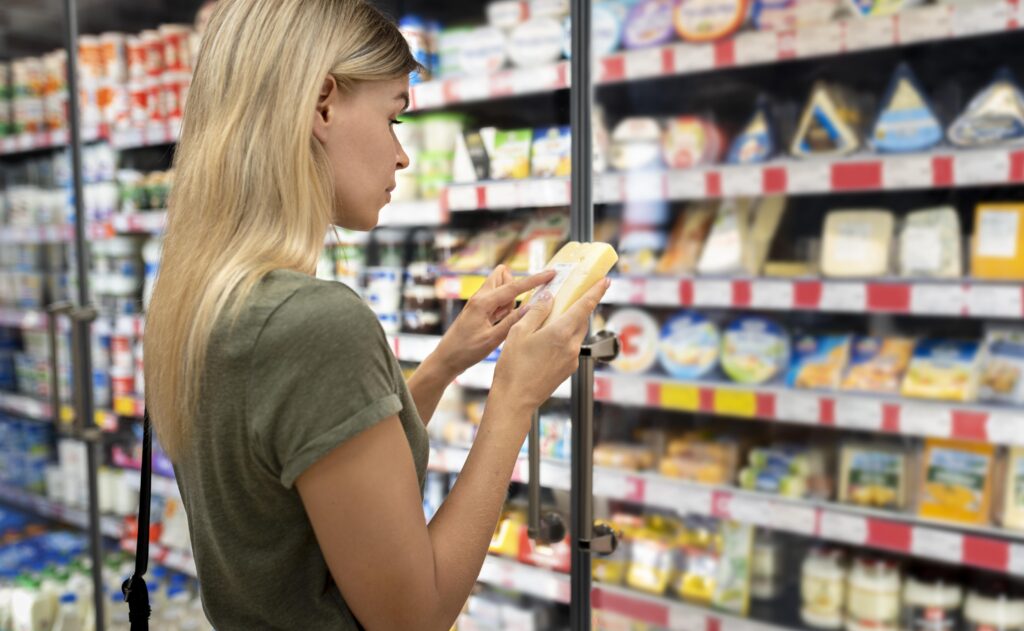
‘Burger’ and ‘sausage’ can still be used to describe plant-based meat products – but dozens of other everyday terms are to be banned under unnecessary restrictions that will confuse consumers, hurt the EU economy and jeopardise European resilience.
Once the restrictions come into force, plant-based products sold anywhere in the bloc can no longer be labelled as ‘steak’, and companies will be banned from using words associated with particular animals such as ‘beef’, ‘chicken’ and ‘pork’.
A total of 32 terms* have been restricted, including the word ‘meat’ itself and terms associated with certain cuts such as ‘breast’, ‘thigh’ and ‘drumstick’.
As well as existing plant-based meat products, the decision also includes a commitment to ban these terms for cultivated meat products and ingredients that have not yet entered the market, posing an allergy risk for consumers who will need to understand what they are buying. Research shows that the use of ‘meaty’ names for cultivated meat is crucial for consumer understanding. Labelling decisions are part of the approval process for these foods, so these restrictions will now significantly undermine this process.
The decision was made during ‘trilogue’ discussions by the European Commission, Parliament and the Council of the EU – the parties’ third attempt to agree on a common text, after the European Parliament voted in favour of proposals brought to the Agriculture Committee by French MEP Céline Imart last year.
Her plan, introduced as part of a ‘targeted revision’ of the Common Market Organisation Regulation, intended to strengthen existing rules to protect farmers, used language and arguments dating back half a decade.
The European Parliament originally debated similar measures in 2020, but Members of the European Parliament ultimately voted against the ‘Veggie Burger Ban’ after it received widespread attention in the international press.
An unnecessary ban
Europeans have made it clear in survey after survey that they support the continued use of everyday language for plant-based foods, helping them know what to expect from these products.
While the EU has stopped short of banning the most commonly used generic terms, this decision will still create unnecessary confusion for consumers.
Plant-based products described as ‘plant-based chicken’ or ‘vegan steak’ have become commonplace items on supermarket shelves across the region.
Making these choices easy and clear is important, as a growing body of evidence finds that plant-based meat offers numerous health benefits, especially as a convenient option to help reduce people’s current overconsumption of processed conventional meat.
Introducing arbitrary changes to these long-established labelling practices is out of touch with people’s everyday use of language.
For the plant-based food sector – one of the most innovative and rapidly expanding branches of the European food industry – labelling restrictions would also introduce costs, such as rebranding labels, and could make it less appealing for international companies to enter the EU market.
The EU has promised to simplify and reduce red tape for businesses, so introducing new restrictions that would financially burden this evolving sector goes against its mandate.
Threatening European competitiveness
The timing of this decision is particularly ironic, coming just weeks after analysis by the systems change company Systemiq, supported by GFI Europe, revealed the huge growth opportunities that scaling alternative proteins such as plant-based meat could offer the EU.
The report found that if treated as a strategic priority, diversifying our protein supply with plant-based meat – along with cultivated meat and fermentation-made foods – could generate €111 billion in annual gross value added by 2040, a figure comparable to the GDP contribution of Europe’s wine sector.
With the right policy support, the export market would be worth €60 billion, comparable to the bloc’s current exports to South Korea.
Meanwhile, expanding the market for plant-based meat and dairy could also more than double the demand for raw ingredients such as peas, fava beans, lentils and chickpeas, creating opportunities for European farmers to diversify.
But the report found that to realise these benefits, the EU needs to invest in the research and infrastructure necessary to make alternative proteins delicious and affordable. And it highlighted the need to rule out naming restrictions for plant-based products and ‘adopt common terminology to improve consumer recognition and trust’.
Mounting pressures on Europe’s food system
Europe’s food system faces many challenges, from an escalating global conflict likely to contribute to existing international trade pressures to severe climate impacts that have led to droughts and flooding across the region.
In the face of these pressures, there is a pressing need to strengthen the resilience of agrifood supply chains and increase Europe’s food sovereignty.
Global demand for meat is projected to grow by at least 52% by 2050, and in Europe we already feed 45% of all the crops we produce to animals and use half of our farmland for animal agriculture. In an increasingly uncertain world, we need a more diversified system that supports Europe’s food sovereignty.
Plant-based meat could help satisfy demand for meat using less land, and even a modest diversification of protein production could enable 21% of European domestic farmland to be used to boost domestic food production.
It seems ridiculous that the region’s policymakers have devoted so much attention to this issue. Rather than wasting their time debating restrictions that consumers have made clear they do not want, policymakers should have put their efforts into creating a healthier and more sustainable food system.
While this decision sends a terrible message about protein diversification across the EU, it should not detract from efforts to scale up the manufacturing of plant-based foods and other alternative proteins, with policymakers increasingly recognising the role that technology such as fermentation can play in driving sustainable economic growth.
* The list of restricted terms in full: meat, beef, veal, pork, poultry, chicken, turkey, duck, goose, lamb, mutton, ovine, goat, drumstick, tenderloin, sirloin, flank, loin, steak, ribs, shoulder, shank, chop, wing, breast, liver, thigh, brisket, ribeye, T-bone, rump and bacon.
Author

Alex Holst
Alex works with NGOs, think tanks, businesses, and other political actors to advance sustainable proteins in Europe.