
Plant-based mince and meatballs 33% cheaper than meat versions at UK’s largest retailer amid rising meat prices
The cost of making plant-based spaghetti bolognese and meatballs is now on average 33% cheaper at the UK’s biggest supermarket than making the same dishes with beef, lamb and pork mince.
29 April 2026
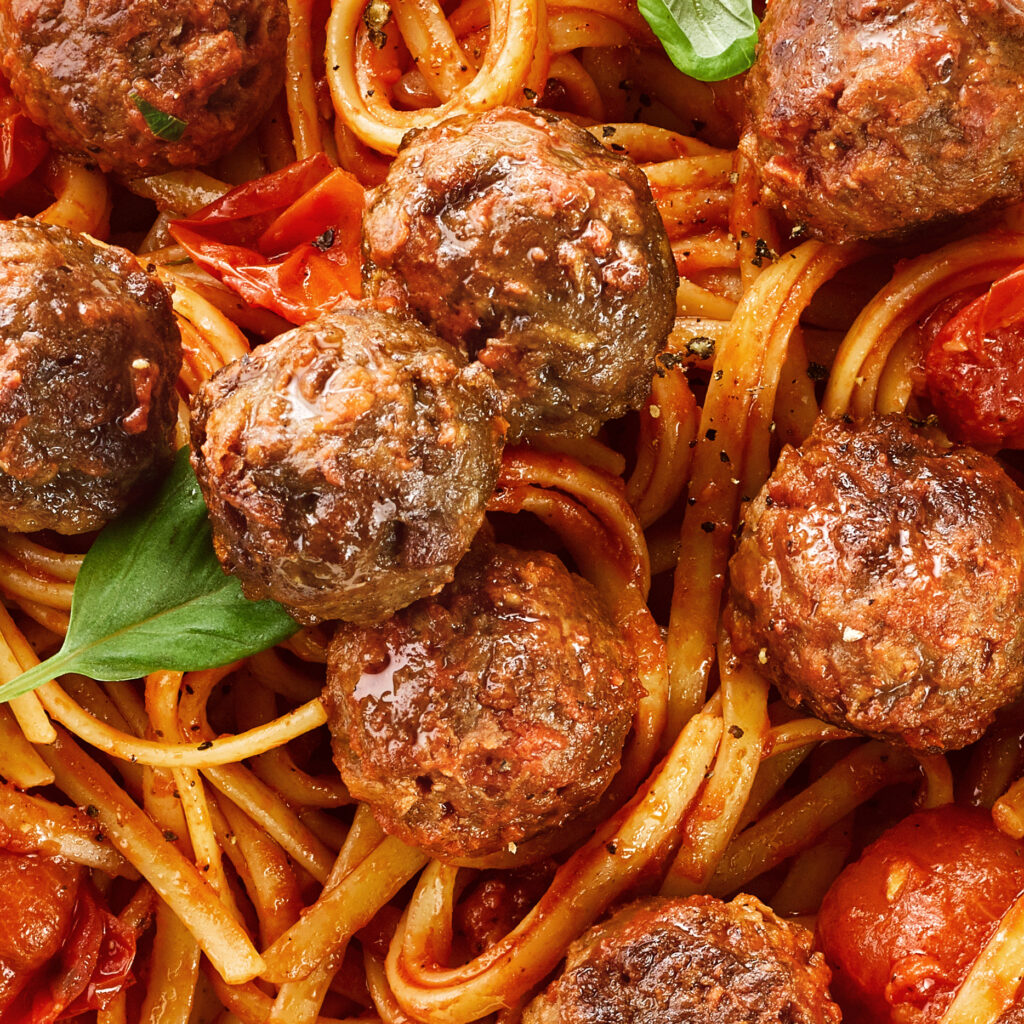
The cost of making plant-based spaghetti bolognese and meatballs is now on average 33% cheaper at the UK’s largest supermarket than making the same dishes with beef, lamb and pork mince.
The analysis by nonprofit think tank the Good Food Institute Europe (GFI Europe) comes amid rising costs for families caused by the war in the Middle East.
Plant-based mince sold at UK retailer Tesco was on average 13% cheaper than beef mince, when comparing prices at Britain’s largest supermarket over January, February and March.
In February 2026, Tesco reported that demand for plant-based mince had risen by nearly 25% in the past year, suggesting that price-conscious consumers may already be making the switch.
Research published in the American Journal of Clinical Nutrition suggests there may also be health benefits. Switching to a plant-based meat option was found in clinical trials to reduce total and LDL (bad) cholesterol, a key risk factor for cardiovascular disease.
Plant-based meatballs are now 41% cheaper than beef, lamb and pork meatballs at Tesco. Plant-based mince, which can be used to make dishes including spaghetti bolognese, chilli con carne, and shepherd’s pie, is almost a third (29%) less expensive than the price of minced beef, lamb and pork. Beef burgers remain 9% cheaper than plant-based options.
On average, all supermarket beef prices were up more than 10% in the week ending 25 April, compared with the same time last year, although lean beef mince was up by almost a quarter (23%), while lamb prices were up 5%, and pork 1.4%, according to data from the Agriculture and Horticulture Development Board (AHDB). Chicken prices also rose 8% last year, and the poultry industry says prices are likely to increase further as the cost of fertiliser, feed and heating chicken sheds ramps up amid the conflict in the Middle East.
Further analysis
The findings come amid further analysis showing the cost-saving opportunities of plant-based foods as meat is increasingly hit by food inflation:
- Separate analysis by the Eating Better Alliance estimates that the average UK family could save around £550 a year, or £10 a week, by adding more affordable staples to the weekly shop, such as fruit, vegetables, beans and pulses, while buying less of some of the pricier items that often push up shopping bills, such as meat and sugary snacks. Red and processed meat savings totalled almost £9 per week, or over £460 a year if reduced to a more moderate amount to meet the Planetary Health Diet (a healthy and sustainable diet suggested by a team of global scientists). This equates to eating one small steak, or two sausages, or a portion of beef mince once a week.
- The same analysis found that increasing fruit and veg consumption to hit the recommended five-a-day would cost less than £4.50 extra a week, or £230 a year, and increasing consumption of beans/pulses from about once a week to four times a week (equivalent to two cans of baked beans per person) would cost as little as £1.64 extra a week.
- Economic analysis last year found that the price of foods hit by extreme weather, including beef, were rising faster than other foods. Prices for beef, butter, milk, coffee and chocolate rose by an average of 15.6% last year, compared with just 2.8% for other food and drink, according to the Energy & Climate Intelligence Unit (ECIU). Although these items made up just 11% of the average shopping basket, they accounted for nearly 40% of all food price inflation.
- Agricultural inflation is currently estimated to be 7.6%, while farmgate prices are down 6.5%, according to the Andersons Centre. Animal feed costs are up due to poor weather last year affecting grass growth and forage production, meaning farmers are having to feed their animals with more costly cereals in the absence of grass-based forage supplies.
Linus Pardoe, Senior UK Programme Manager at GFI Europe, said: “The Middle East crisis is beginning to stretch household budgets, with people searching for ways to keep the cost of food shopping down. Higher feed costs, caused partly because last year’s drought reduced grass growth, have exacerbated rising meat prices, and the ongoing disruption to fertiliser and fuel supplies will likely push prices higher still.
“As supply chains become increasingly volatile, the government should put plant-based options at the heart of its new food strategy and invest in opportunities to help farmers diversify their incomes by growing the crops used to make these foods.”
Author

Conrad Astley
Conrad works across communications disciplines to drive a positive narrative for sustainable proteins in Europe.