
Retail sales of plant-based alternatives have risen by 21% over the past two years in France
The nonprofit organisation and think tank the Good Food Institute Europe has published a new analysis of retail sales of five categories of plant-based foods in France between 2023 and 2025, based on Circana data. The report highlights the market’s continued growth, characterised by rising sales volumes and growing consumer interest,
Cet article est également disponible en français.
9 June 2026
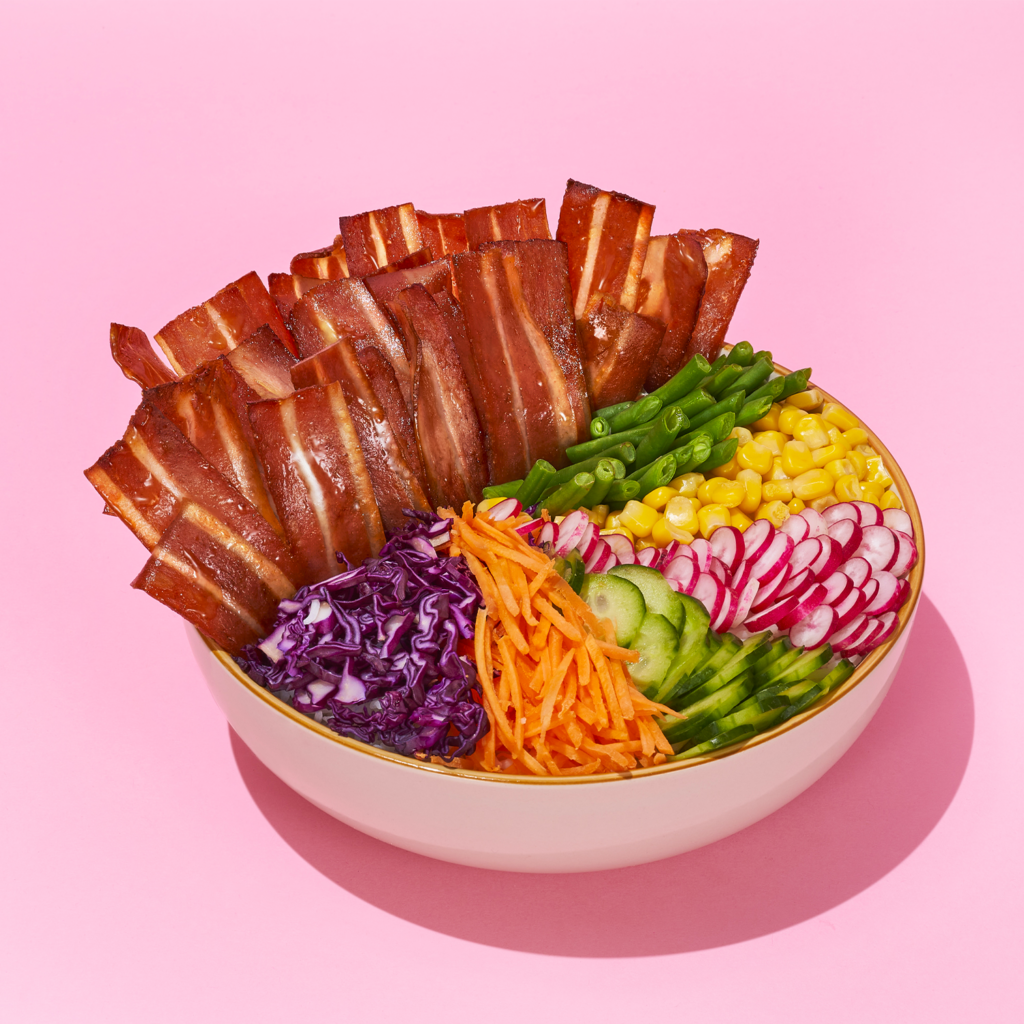
In 2025, sales across five categories of plant-based foods – meat, milk and drinks, cheese, yoghurt and cream – reached a total value of €572 million, up 11% from 2024 and 21% from 2023. In these five categories, in 2025, French consumers purchased:
- 250 million units of plant-based alternatives, representing a 14% increase compared with 2024
- 163 million kg, up 13% on 2024
From meat to cheese, growth across all categories
Between 2024 and 2025, all five categories of plant-based foods grew in value, units and volume, confirming the positive momentum of the French plant-based market.
The category experiencing the strongest growth is plant-based meat, with volume up 16.8% and value up 13.5% between 2024 and 2025. Plant-based milks and drinks are also growing strongly, with +14.8% in volume and +13.4% in value, driven in particular by the momentum of oat milk, whose volumes are increasing by 36%. Plant-based yoghurts continue to grow, with an increase of +6.6% in value, whilst plant-based cheese is up by +5.4% in value. Plant-based cream, meanwhile, is showing more moderate growth, with +1.9% in value. However, despite this growth, plant-based foods have yet to break into the mainstream in France. Plant-based options accounted for 5.5% of all milk and dairy drinks sold in French retailers in 2025, while plant-based meat represented just 2.1% of chilled pre-packaged meat sales.
Private labels: growth driven by changing preferences
Private-label products play an important role in the plant-based alternatives market, particularly by improving affordability in certain categories. In the plant-based meat sector, private labels are gaining ground, accounting for 22% of sales by volume in 2025, compared with 18% in 2024. On average, they were 31% cheaper than branded products in 2025.
Their appeal can be attributed to generally more affordable prices, although trends vary across categories. Conversely, the growth of certain more premium segments, such as oat milk, shows that price is not the sole driver of choice. These trends suggest that consumers are also mindful of other criteria, such as taste, quality, convenience or the suitability of products for their everyday culinary uses. This also emerged from a 2023 pan-European study, which identified that price (40%) and taste (33%) are key barriers to choosing plant-based alternatives for French consumers.
A strategic opportunity for France
The development of a strong national plant-based sector could deliver significant benefits for France. Alongside supporting a more sustainable and resilient food system, it could create new market opportunities for French farmers, particularly through increased demand for crops such as peas and cereals, which can be used as ingredients in plant-based foods. Strengthening domestic production would also help reduce reliance on imported proteins, while supporting innovation, manufacturing and value creation across the food supply chain, ultimately stimulating industrial innovation and strengthening economic resilience.
Hélène Grosshans, Senior Infrastructure Investment Manager at the Good Food Institute Europe, said: “The French market for plant-based foods continues to grow, a sign that consumers are seeking to diversify their sources of protein, in line with their expectations regarding health, sustainability and changing eating habits. In a country renowned for its culinary heritage and the excellence of its agricultural model, this trend opens up new opportunities for innovation, food security and the resilience of French food production.
“To maintain this momentum, however, it will be essential to continue investing in product quality, affordability and innovation, while strengthening collaboration between manufacturers, investors and public decision-makers in order to support the development of a competitive national industry.”