
Breaking down the boundaries: Meet the researchers working on a cross-border project to build Nordic alternative protein momentum
An international network linking Nordic researchers seeks to provide collaborative opportunities often missing in alternative protein science.
18 May 2026
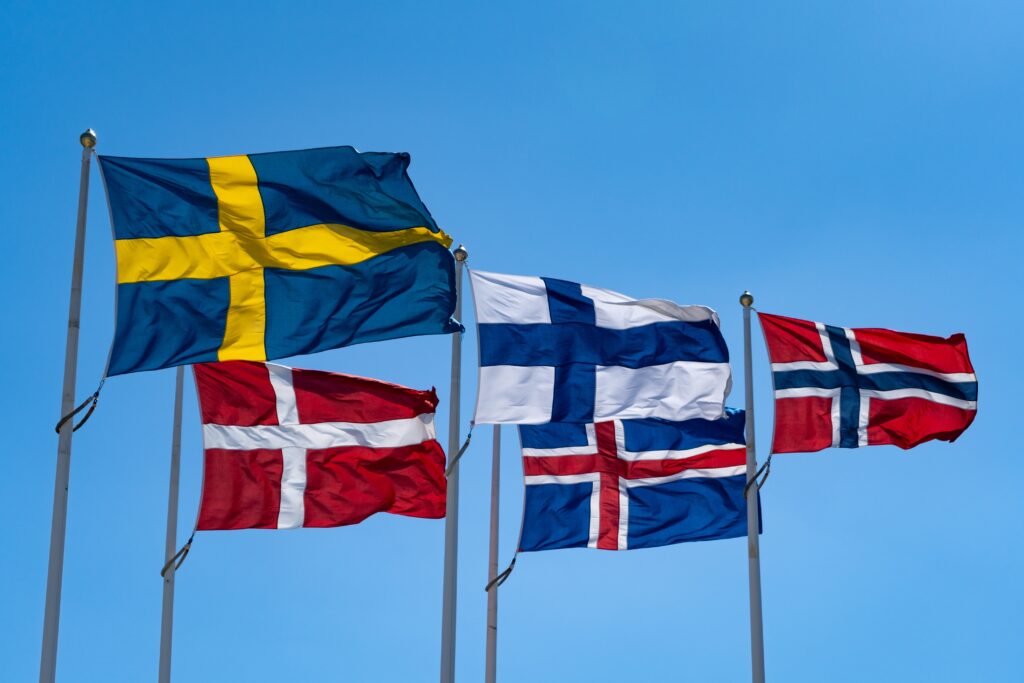
An international network linking Nordic researchers seeks to provide collaborative opportunities that are often missing in alternative protein science.
While the Nordic region is a powerhouse of innovation and home to a growing ecosystem of researchers, a lack of opportunities for scientists to work together internationally and share knowledge risks holding back this nascent field. As we’ve seen elsewhere across Europe, the field needs to move beyond scattered, short-term collaborations.
The Nordic Alternative Protein Knowledge and Innovation Network (NAPKIN), co-funded by the Nordic Joint Committee for Agricultural and Food Research and supported by the Good Food Institute Europe, seeks to change that by bringing together key players across the region to stimulate collaboration. The network also aims to ensure academic research meets the needs of policymakers and businesses.
Connecting the region’s complementary strengths
Nesli Sözer, who leads the project, came to Finland’s VTT in 2011 after completing a PhD in food technology at Türkiye’s Gaziantep University and postdoc positions in the United States. She now works as a research professor focusing on plant and microbial proteins.
“Coming from a Mediterranean food culture where plant-based dishes naturally play a central role, I have always been interested in how different protein sources can be combined to create nutritious and enjoyable foods,” she said.
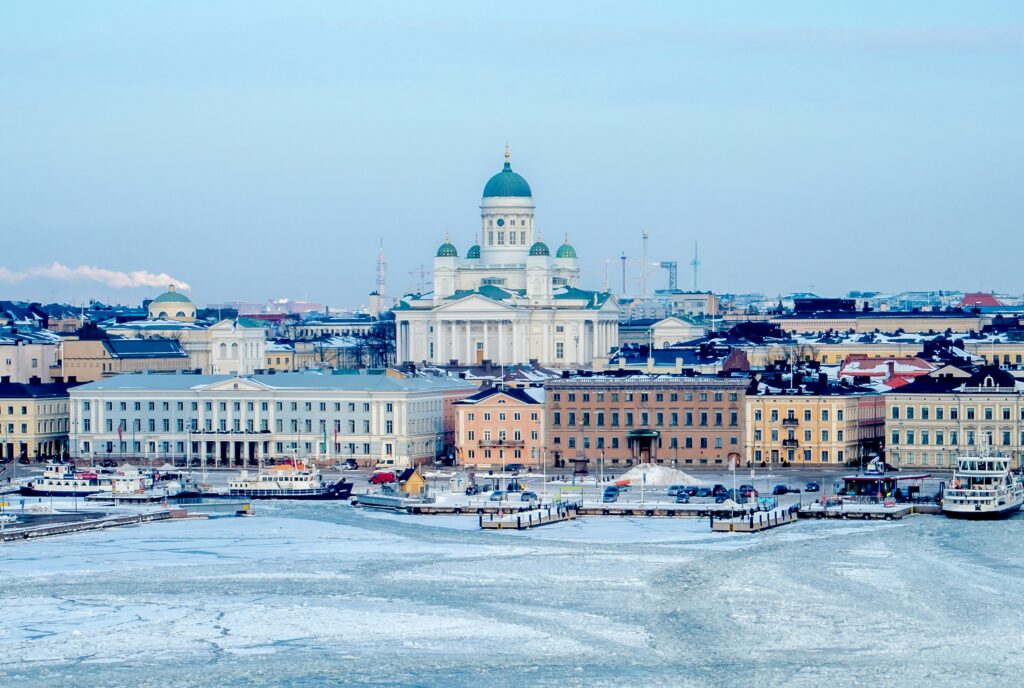
Nesli says that different Nordic countries have complementary strengths – with Finland home to fermentation expertise, Denmark to plant-based product development and consumer research, Norway to aquaculture, Iceland to algae innovation and Sweden to food systems research.
“By connecting these capabilities, the region has the potential to become one of the global leaders in protein diversification,” she said.
Although relatively small in terms of funding, the NAPKIN project led by Nesli is expected to create opportunities for knowledge exchange, including a flagship international event planned for next year that will bring together researchers, industry stakeholders, and policymakers to showcase advances and strengthen collaborations in the field.
Positioning the Nordics at the vanguard of the field
Dr Laura García Calvo, a research scientist at the Norwegian Institute of Food, Fisheries and Aquaculture Research (NOFIMA) exploring precision fermentation, is also optimistic about the project’s potential.
“I hope it brings inspiration, fuels innovation, maximises the positive impact of our results, and positions the Nordics at the vanguard of the field,” she said.

Laura believes that while Norway’s network is already well-established, with researchers focused on cultivated meat, fermentation, and side stream valorisation, there is a lot of room for development.
Like Nesli, she was drawn to the region from elsewhere. Growing up in a family of sheep farmers in northern Spain – an area whose rich culinary heritage sparked her deep interest in food – Laura became captivated by Norway during a scientific visit as part of her PhD in Industrial Biotechnology and Microbiology at the University of León.
Laura, who also now leads the Norwegian Research Council-funded ARRIVAL project, exploring the ethical and societal implications of alternative proteins, believes Norway’s attitudes towards adopting new technologies have had a big impact on building the country’s research base.
“The country is receptive to technological advances and novelties,” she said. “But the ethical and societal aspects will be crucial for research results to come out into the market and be accepted by the consumer.”
Inspiring high-quality research
Klaus G Grunert, Professor of Marketing at Aarhus University’s Department of Management, adds that the region is distinguished by its high level of awareness about the need for a green transition.

Klaus became interested in the potential of alternative proteins to decarbonise the food sector after a long career researching consumer attitudes to food and drink, and founding the university’s MAPP Centre, which translates this research into insights for the food industry and policymakers.
He is also optimistic about the NAPKIN project’s potential, hoping it can inspire ‘new, high-quality research that will further the development and adoption of products that can become part of a sustainable diet’.
Driving targeted alternative protein opportunities
Margrét Geirsdóttir began her career by exploring how to develop products, such as collagen peptides – used for a wide range of health applications – derived from fish skin.

Now a project manager at the government-owned Icelandic food and biotech company Matís, she was drawn to alternative proteins, believing they could be the country’s ‘next fish industry’, and saw the move as an extension of her work finding ways to utilise sidestreams to advance a circular economy.
“With access to clean water and renewable energy,” she said, “Iceland is well-positioned for this kind of food production at a time when global demand for protein continues to grow.”
As well as acting as a catalyst to connect existing projects across the Nordic region and increase the field’s visibility, she says NAPKIN may help the region move beyond traditional sector-based funding structures – in which areas like fisheries and agriculture are treated separately – towards offering targeting opportunities for alternative proteins.
Can it work elsewhere?
Deniz Koca, a principal investigator at Lund University’s Department of Earth and Environmental Sciences in Sweden and president of EIT Food protein diversification think tank, sees alternative proteins as an extension of his work on transforming food systems.
“I believe that our current food systems have created significant global environmental and socioeconomic problems,” he said. “And the shift towards sustainability requires systemic change.”
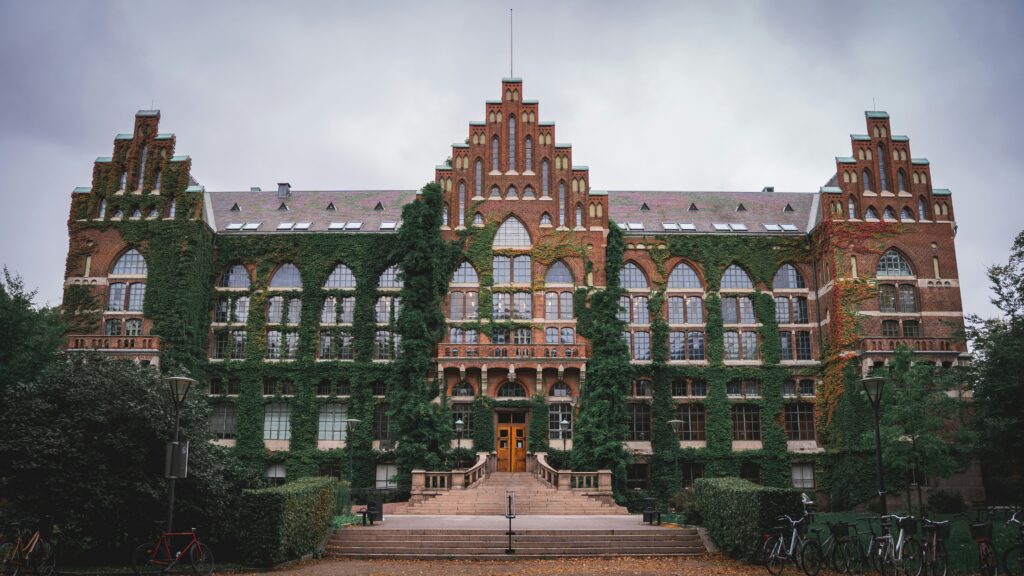
He adds that NAPKIN’s collective and networked approach is the most effective way to tackle the complex challenge of transforming the food system. And, although the Nordic region is distinguished by factors such as an established tradition of public-private partnership and a focus on the circular bioeconomy, Deniz is optimistic that NAPKIN’s collaborative model can be implemented in other parts of the world.
Its secret ingredient is food systems thinking, which helps diverse stakeholders move beyond narrow perspectives, uncover hidden opportunities for change, and navigate the complex trade-offs inherent in transforming how we produce and consume food.
As the research base continues to expand across Europe, Laura also believes that the collaborative research approach being developed by NAPKIN can be replicated elsewhere.
“This kind of research network helps us explore and maximise these synergies, while fueling inspiration and societal impact.”
Nesli added that despite cultural differences across regions, the challenges facing alternative proteins remain the same everywhere, with the Nordics’ robust research environment, collaborative approach and dedication to sustainability making the region a test bed.
The project, she said, could provide valuable insights both for Europe and the international community of researchers.
The project is co-funded by the Nordic Joint Committee for Agricultural and Food Research and led by VTT (Finland). Partners include MATIS (Iceland), Aarhus University (Denmark), Lund University (Sweden) and NOFIMA (Norway), with support from the Good Food Institute Europe.