
Food needs a Plan B: why climate resilience means diversifying protein production
Climate change and increasingly fragile supply chains are exposing the vulnerabilities of Europe’s food system. Diversifying protein production can help strengthen its resilience.
24 September 2026
Earlier this month, the UN Environment Programme did something it had spent a decade fighting to avoid: it conceded that the 1.5C limit agreed in Paris is about to be breached, and that the world is now planning for ‘overshoot’ rather than prevention.
Its own report is blunt about what that means in practice: food production could decline by up to 14% by 2050, more people will go hungry, and water shortages will worsen. Nutrition-related diseases and the risks of pathogen spillover are also expected to increase, while competition for land between food production and carbon dioxide removal could intensify.
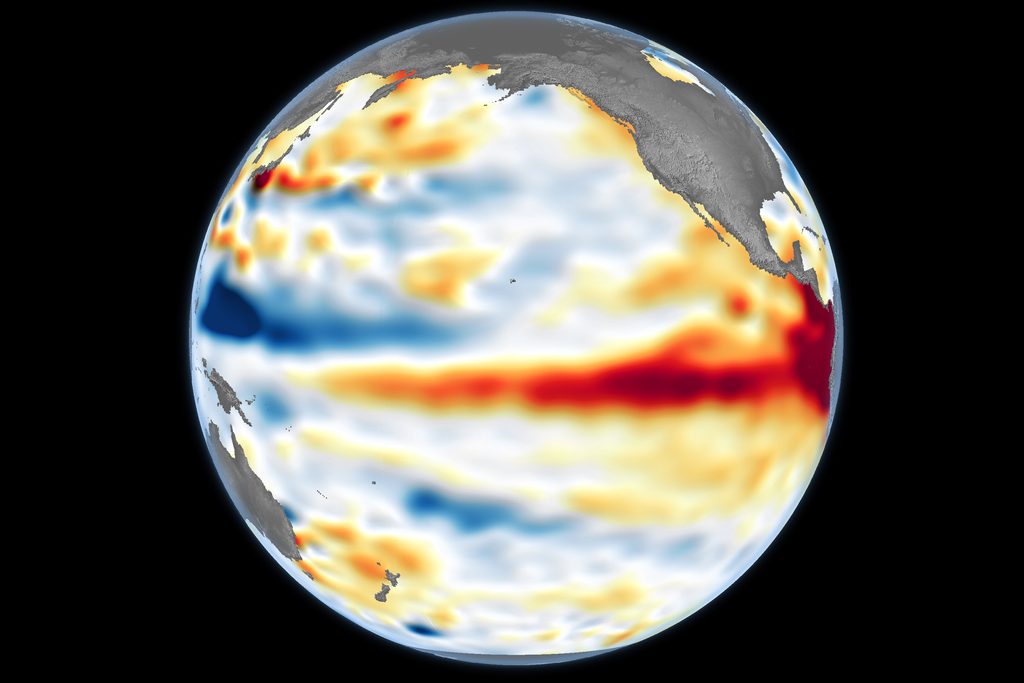
Weeks earlier, another UN agency, the Food and Agriculture Organisation (FAO) issued a warning of its own regarding El Niño – a recurring climate pattern in which unusually warm Pacific Ocean waters shift weather worldwide, typically bringing drought to some regions and heavier rains to others. The FAO said that a new El Niño phase is forming, with the sharpest agricultural drought risk concentrated in regions that, between them, produce and export a large share of the crops that feed people and farmed animals worldwide.
Neither report is really just about Europe. But together they describe the challenging environment our food system now has to operate in.
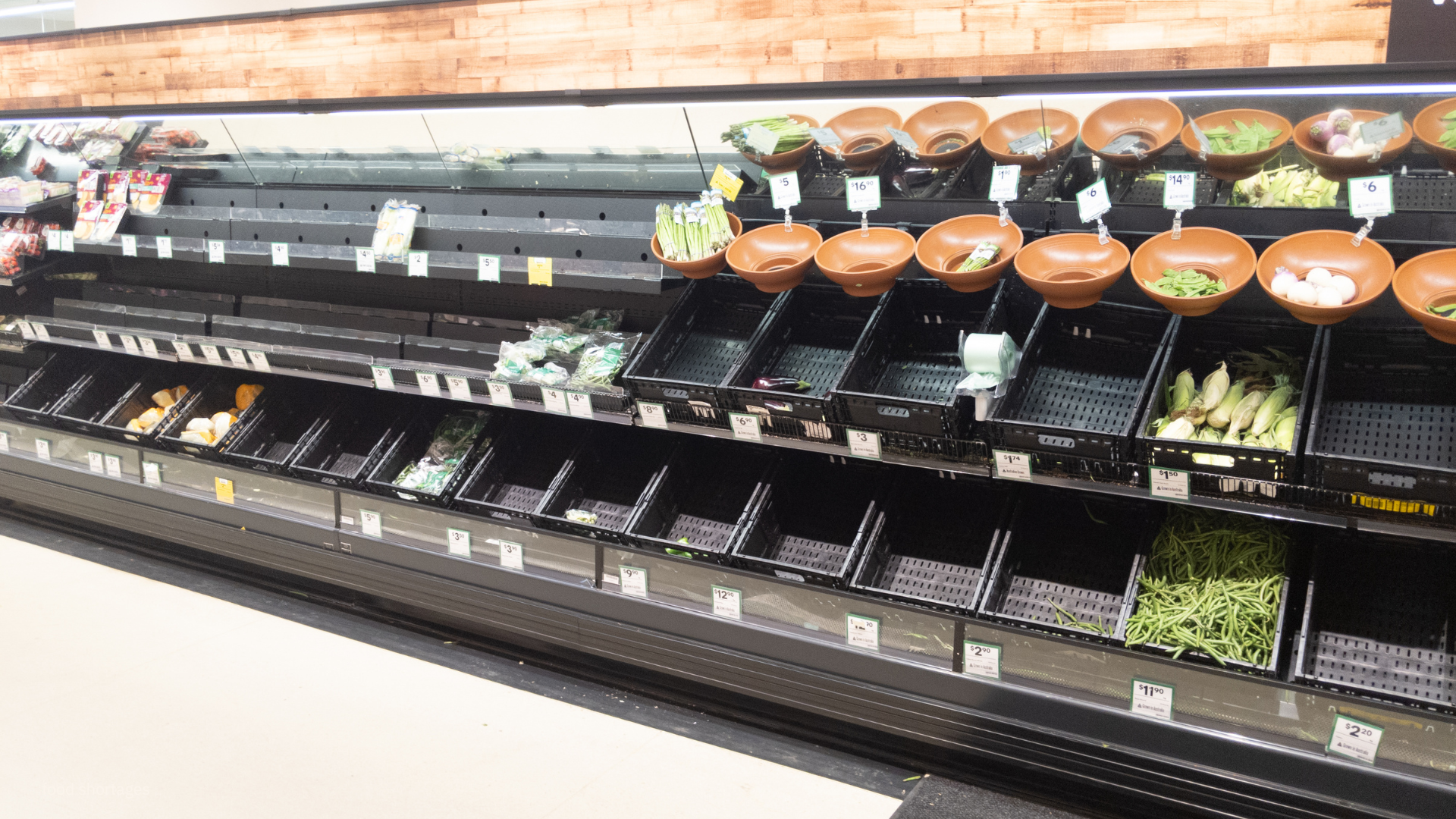
We’ve been here before, repeatedly in just the last few years. This past summer’s heatwaves and fires across Europe already strained harvests and animal agriculture. As Ursula von der Leyen, President of the European Commission recalled in her latest State of the Union speech, the European Union lost 12 million tonnes of crops. The effects are starting to become visible: retailers in Italy are already posting signs warning customers of shortages, while market analysts warn about an upcoming potato shortage across the bloc.
Before this, the Strait of Hormuz crisis pushed up food prices, Russia’s invasion of Ukraine took a grain and fertiliser exporter off the map overnight, and in 2020, Covid exposed how fast global supply chains can seize up.
None of these shocks shares a single cause. Yet, as a disturbing pattern, they’re arriving more frequently, and hitting a food system with almost no slack left in it.
The EU responses – from financial support mechanisms for farmers to the Versailles Declaration to increase home-grown legume production – were necessary, but only treated the symptoms. The deeper cause hasn’t been addressed: European protein production in particular is unnecessarily inefficient.
Meat production is where that fragility concentrates
This is particularly evident when we look at how meat is made. Meat production is incredibly resource-intensive, using 83% of the world’s farmland to produce just 18% of calories. In fact, producing just one calorie of chicken, the most ‘efficient’ conventional meat, takes nine calories of feed.
Europe feeds two-thirds of all its cereals to animals and dedicates 42% of its farmland to grazing and fodder – and still faces an annual shortfall of roughly 19 million tonnes of animal feed. When shipping routes are disrupted, energy prices spike, or tensions flare, the cost of feeding Europe’s pigs, chickens and cattle rises with them, and that cost lands on farmers and consumers.
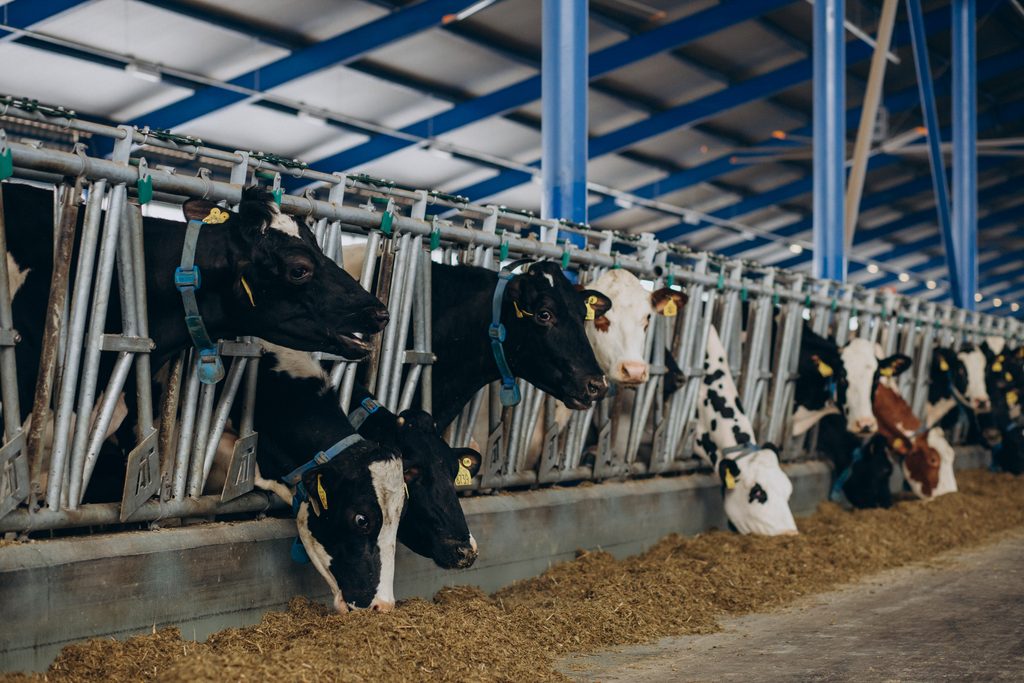
This heavy reliance on land and crops exposes Europe’s protein supply directly to global shocks, including the one caused by El Niño. Feeding animals relies on both local and imported crops, including those from drought-prone regions, so as harvests fail around the world, meat prices rise.
Brazil, a major supplier of soy for European animal feed as well as coffee and orange juice, offers a clear example. Brazilian agricultural economists have warned that a strong El Niño could cut the country’s production of soy, corn, coffee and oranges by as much as 10%. At the same time, market analysts warn that this year’s global soybean production has only roughly kept pace with consumption, meaning stocks are taking longer to build and leaving less of a buffer against supply disruptions.
At the same time, global demand for meat is rising, adding further pressure to global land, water resources and supply chains.
Protein diversification eases the pressure
Around two-thirds of Europeans’ protein intake currently comes from animal products, despite warnings that plant-based proteins should ideally represent the biggest share in people’s diet. But current plant-based options don’t meet consumer expectations on taste, availability and convenience compared with conventional meat, and pulses struggle to find a seat at the table. Diversifying protein production to include options like plant-based meat, along with innovative approaches such as fermentation and cultivated meat, which offer a convenient swap for conventional meat, would make Europe less vulnerable to global shocks.
Alternative proteins could complement conventional production while using substantially less land, water and other resources. Plant-based meat products have a fraction of the environmental impacts of conventional meat, producing 86-94% less greenhouse gas emissions, while using 71-89% less land, and 74-93% less water.

Fermentation can be used to produce large quantities of mycoprotein, which comes from fungi, with a meaty texture using a fraction of the land of industrial animal agriculture. Precision fermentation has been used for decades to produce rennet for cheesemaking. It is now being used to produce a wider range of ingredients, including fats and proteins that can bring the flavour and texture of meat to plant-based foods, using far less land and fewer resources than conventional agriculture. Cultivated meat and ingredients could cut the climate impact of meat by up to 92%, reduce air pollution by up to 94% and use up to 90% less land.
These innovations are still at an early stage and require serious investment and supportive policies to scale. But with this support, they could reduce the EU’s reliance on imported soy by nearly a quarter, and enable 21% more European farmland to be used to boost food production.
Other governments are already diversifying
Other countries are already moving in this direction. China made protein diversification a national strategic priority in its five-year agricultural plan, with projections suggesting alternative proteins could meet up to 55% of domestic animal protein demand by 2050. To scale production, Chinese manufacturers are retrofitting mega-factories to produce proteins and fats.
Singapore offers a different but equally instructive example. With less than 1% of its land suitable for agriculture and most of its food imported, the country has long treated food production as a strategic priority. It became the first country to approve cultivated meat for sale in 2020, supported by sustained public investment in research and development and has so far granted commercial approval to a wider variety of cultivated meat products than any other country, including chicken, quail, duck, and beef.
India, one of the very regions FAO flags as most exposed to El Niño cycle, has made a similar bet. Its BioE3 policy put biomanufacturing, including fermentation and other alternative protein innovations, at the centre of national economic strategy, backed by new state-funded incubation centres and biofoundries, with the goal to support sustainable bioeconomy growth.
Europe has the innovation but turning it into everyday reality is the hard part
Europe was the birthplace of cultivated meat and is home to some of the world’s leading fermentation companies. Europe has the talent and expertise to lead on protein diversification, but risks repeating the mistake it made with renewable energy – pioneering the technology, then allowing other countries to lead on large-scale manufacturing and importing the products of that innovation.
Europe has the world’s largest alternative protein research community. Governments must now invest in the infrastructure and regulatory pathways necessary to make plant-based, fermentation-made and cultivated meat affordable and accessible across the continent.
Yet recent policy decisions have undermined progress. Policymakers attacked the growing alternative protein sector by restricting everyday product names such as “plant-based bacon”, despite evidence that consumers understand these terms.
Last year the European Commission proposed the first Biotech Act, designed to strengthen EU competitiveness in biotechnology. The proposal includes some much needed changes, including an expansion of scientific advice innovators can receive before submitting an application for market authorisation. Yet the same proposal excluded novel foods, such as cultivated meat and ingredients made from precision fermentation, from its regulatory sandbox measures – which allow EU member states to set up controlled environments intended to help develop workable rules for emerging technologies. And in 2025, several key countries reduced the funding that keeps European researchers at the forefront of this field. A second Biotech Act, expected by the end of 2026 at the earliest, presents the EU with the opportunity to unlock investment for biomanufacturing scale-up, including through blended finance, and ensure food innovations are explicitly eligible for EU funding instruments.
Europe says it wants greater protein autonomy and a more resilient food system. At the end of another tough summer for food producers, it’s time to put those words into action and commit to the long-term investment and policy support needed to build a diverse and resilient protein system.
Author

Pauline Grimmer
Pauline mobilises public funding and other policy support to facilitate infrastructure development and scale up alternative proteins in Europe.