
Europe’s food system is feeling the heat: how protein diversification can help
Europe’s food system is straining under record-breaking heatwaves – and driving this very heat. Protein diversification offers a way to break that cycle, cutting emissions while building resilience against the heat already here.
Este artículo está disponible en español.
22 July 2026
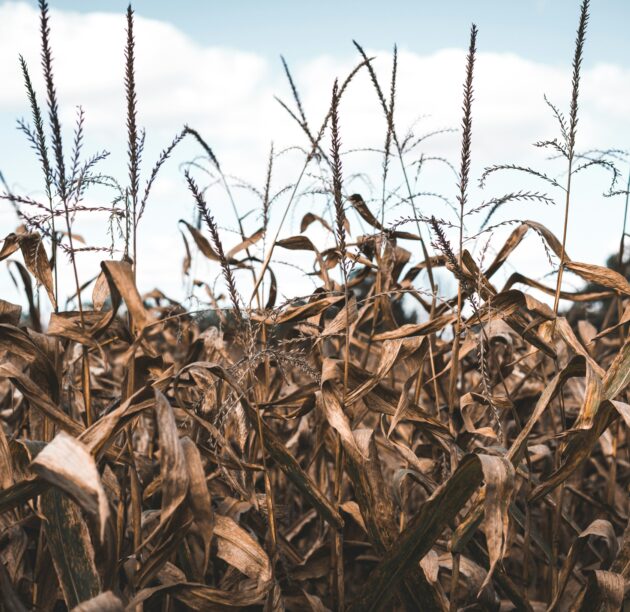
We’re not even halfway through summer, and Europe has already experienced two unprecedented heatwaves. Spain registered its second-hottest June on record. France and Germany broke their all-time national heat records multiple times across consecutive days in the same month. And another heatwave is already underway in July.
Europe is the world’s fastest-warming continent, with temperatures rising at about twice the global average rate. The World Meteorological Organisation predicts that up to half of Europe’s population could face severe risks from extreme heat by 2050.
Europe’s food system is also feeling that heat. It’s already straining food production – stressing crops and farmed animals, shrinking yields and threatening food security. The problem is especially pressing because it cuts both ways: our food system is not only especially exposed to climate change, it’s also one of its major drivers.
At GFI Europe, we work to build a food system that can withstand and ease this pressure by diversifying protein production. To make sure that nutritious, tasty foods remain accessible to everyone – even in a warming world – plant-based, fermentation-made and cultivated proteins will be essential.
How heatwaves impact food production
Heat stress, droughts and fires are already ravaging crops across Europe. Coceral’s latest EU crop forecast predicts EU and UK grain production will fall by 23.4 million tonnes this year, down 8%, as a result of recent heatwaves.
If humans and crops struggle to handle extreme heat, farmed animals are no different. Animals kept indoors, which make up a large share of European meat and dairy production, are hit hardest of them all. Heat stress can cause breathing and heart problems, dehydration, weaker immunity, reduced fertility, and death. During the late June heatwave, extreme heat killed 2.5 million to 3 million broiler chickens in France. Clement Blanchard, a chicken farmer in Pays de la Loire, France’s second largest poultry region, told Reuters he lost about 700 chickens over a few days, compared with one or two per day normally.
Climate change also increases the likelihood of epidemics affecting farmed animals. On top of heat stress depleting immune systems, rising temperatures and changes to ecosystems create optimal conditions for diseases to spread – and lead to greater antibiotic use in meat and dairy production.
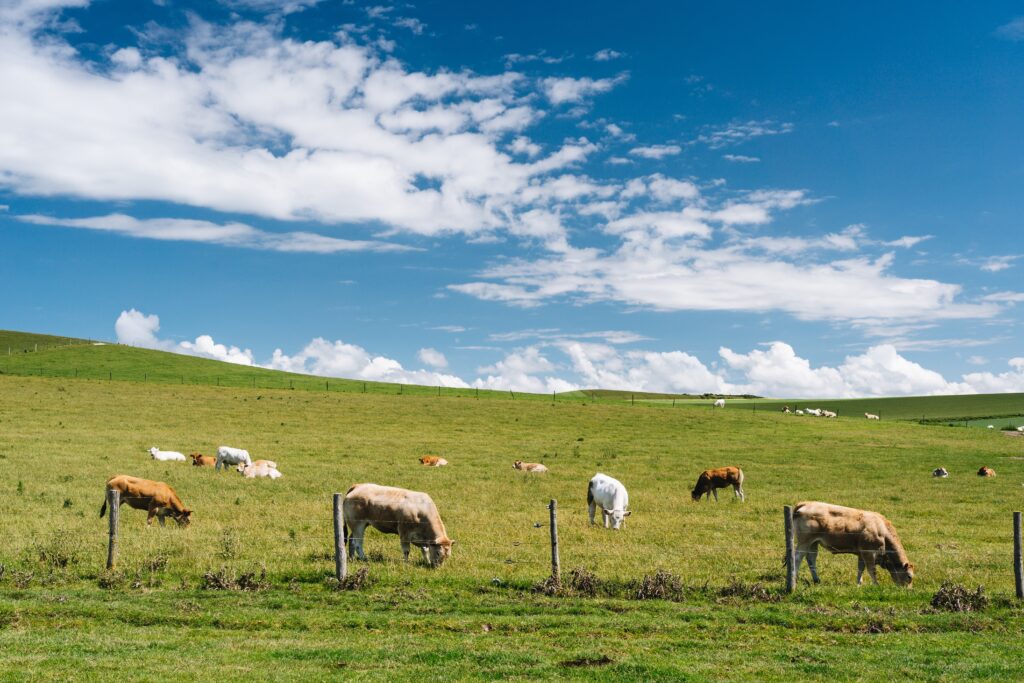
Studies from Germany and China also found that heat-stressed dairy cows produced up to 53% less milk, and the protein content of that milk dropped by around 22%. Heat stress also slows growth rates and lowers meat quality in cattle raised for beef. The Coller FAIRR initiative estimates that heat stress, water scarcity and declining feed yield could cost the world’s 40 largest meat companies as much as $1.3 trillion by 2030 if nothing changes.
In Europe, animal agriculture is also greatly exposed to climate shocks happening elsewhere in the world, as the EU imports around two-thirds of the feed given to farmed animals – mostly from Brazil, Argentina and the United States. A drought in Brazil or heatwave in Argentina can ripple directly into European feed prices and availability, and affect protein supply in Europe.
A joint study by the Potsdam Institute and the European Central Bank found that the 2022 extreme summer heat alone increased food inflation in Europe by 0.43-0.93 percentage points – an effect projected to grow by 30-50% with the heat expected by 2035. With food prices rising, and without a wider range of protein sources, nutritious diets will become harder and harder to access.
How food production is driving global heat
Our current food system is both a casualty and a cause of global heating as growing, raising, processing, transporting and storing the food we eat is a major driver of rising temperatures. The global food system is responsible for approximately one-third of all human-caused greenhouse gas emissions. The land-hungry nature of our food system entrenches the problem, destroying natural carbon sinks and temperature regulators both in Europe and across the world.
Within that overall figure, meat and dairy production accounts for an outsized share of that environmental footprint.
Animal proteins like meat and dairy account for 84% of embodied greenhouse gas emissions from EU food production. Most of these emissions come from methane produced by farmed ruminants like cows and sheep, along with nitrous oxide from the fertiliser used to grow their feed, and further emissions from transport and feed processing.
In Europe, animal agriculture occupies 71% of farmland – but supplies just 35% of calories in the EU. Despite dietary guidelines already recommending that people diversify their protein consumption, animal products account for 65% of the EU’s protein intake.
Protein diversification: a solution for both mitigation and adaptation
Diversification dissipates risks. A food system that depends heavily on one protein source that is especially vulnerable to extreme heat and supply chain disruptions leaves little room to absorb a shock. Diversifying where we get our protein from – towards a greater variety of plant-based, fermentation-made, and cultivated proteins – would help make the food system more resilient, both reducing the impact of climate change and adapting to it.
Coffee and palm oil producers are already applying this same logic using precision fermentation – a technique using microorganisms to produce proteins and fats – to produce the same foods with more sustainable and resilient supply chains.
Alternative proteins generally require less water and agricultural land, and cause fewer emissions and less pollution than animal proteins. The European Environment Agency’s modelling suggests that a coordinated shift towards a more diverse protein mix could cut EU agricultural greenhouse gas emissions by around 5% by 2035. That figure reflects a gradual, economy-wide transition – at the product level, the difference is far starker: another analysis suggests alternative proteins can reduce emissions by up to 98% compared with conventional protein production, limiting global heating and its consequences.

Protein diversification would reduce the amount of land we need to feed ourselves – making space for nature-friendly farming and more wild spaces that can absorb greenhouse gas emissions and regulate the climate. If Europe shifted towards alternative proteins, it is estimated that an area equivalent to the size of France could be used for nature-friendly farming or to boost local production, while an area the size of Spain could be protected overseas.
Alternative proteins require fewer inputs, and provide a pathway to reduce Europe’s reliance on imports – helping shield the continent from climate disruptions in other regions. Protein diversification can also support economic resilience by offering new opportunities for farmers under pressure and, according to Systemiq, adding €111 billion a year to the EU economy by 2040.
What is needed to realise the potential of alternative proteins in Europe
If our current food system – and in particular animal agriculture – is both a cause and casualty of climate change, the way forward is to work on both fronts at once – cutting the emissions driving future heat while making the food system less vulnerable to the extremes we already face. Protein diversification does both.
But it is not a quick fix. Realising the potential of protein diversification requires sustained investment in research, infrastructure and the right regulatory conditions, so that healthy, tasty and more sustainable choices are available to everyone.
- Invest in research and innovation: Governments must invest in open-access research to improve the taste, nutritional value and price of alternative proteins and ensure Europe remains a leader in protein diversification.
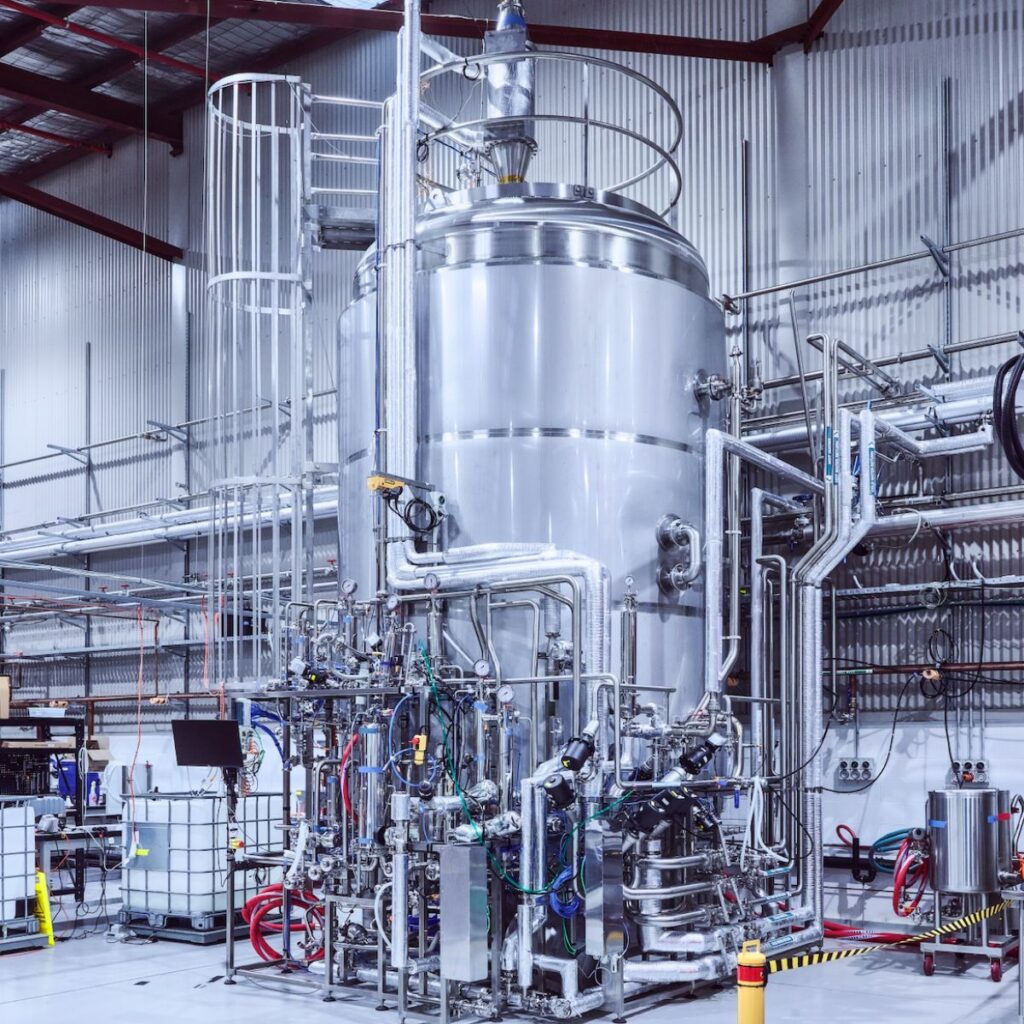
- Invest in infrastructure: Many European alternative protein companies lack the infrastructure to produce their products at scale, which keeps prices high and restricts the availability of sustainable foods. Mobilising public and private investment to expand access to large-scale facilities is key to realising the sector’s full environmental and economic potential.
- Streamline regulation: European food safety standards are among the world’s most rigorous, and many innovative alternative protein products need regulatory approval before reaching supermarket shelves. But inefficiencies and a lack of transparency are causing delays and uncertainties for companies and investors. Simplifying and speeding up regulatory approvals – without compromising on safety – would help ensure alternative protein products reach European plates.
- Help farmers transition: Growing more plant proteins offers European farmers a way to build more resilient, climate-adapted livelihoods, but making that shift without support is risky. Targeted transition support would help more farmers make the switch more easily.
How does GFI Europe support the shift towards protein diversification?
At GFI Europe, our mission is to accelerate protein diversification, so we can build a more sustainable and resilient food system.
We produce evidence-based reports and engage with policymakers, scientists and businesses to help them make informed decisions.
- In early 2026, GFI Europe funded a major new analysis looking at the economic opportunities of alternative proteins in Europe. The report found that, by 2040, the sector could contribute €111 billion to the European economy each year and support more than 400,000 jobs. Since its launch, the report has helped engage with policymakers on how alternative proteins can support economic growth, food security, and innovation.
- In 2025, GFI Europe commissioned a major survey to explore people’s attitudes to plant-based foods in the UK and Germany, and published open-access insights for the industry. As a result, some of the UK’s leading supermarkets are using the data to target the right shoppers, reduce prices, and make plant-based options easier to find in stores.
- In partnership with the Physicians Association for Nutrition, we conducted a comprehensive literature review of the research and narratives around ultra-processed foods and plant-based meat. It helps explain the evidence about processing and highlights the real nutritional and environmental benefits of plant-based meat, providing decision-makers with reliable evidence to work from.
We empower student groups across universities to drive forward alternative protein research and innovation, and build talent pathways that will support the future of the sector.
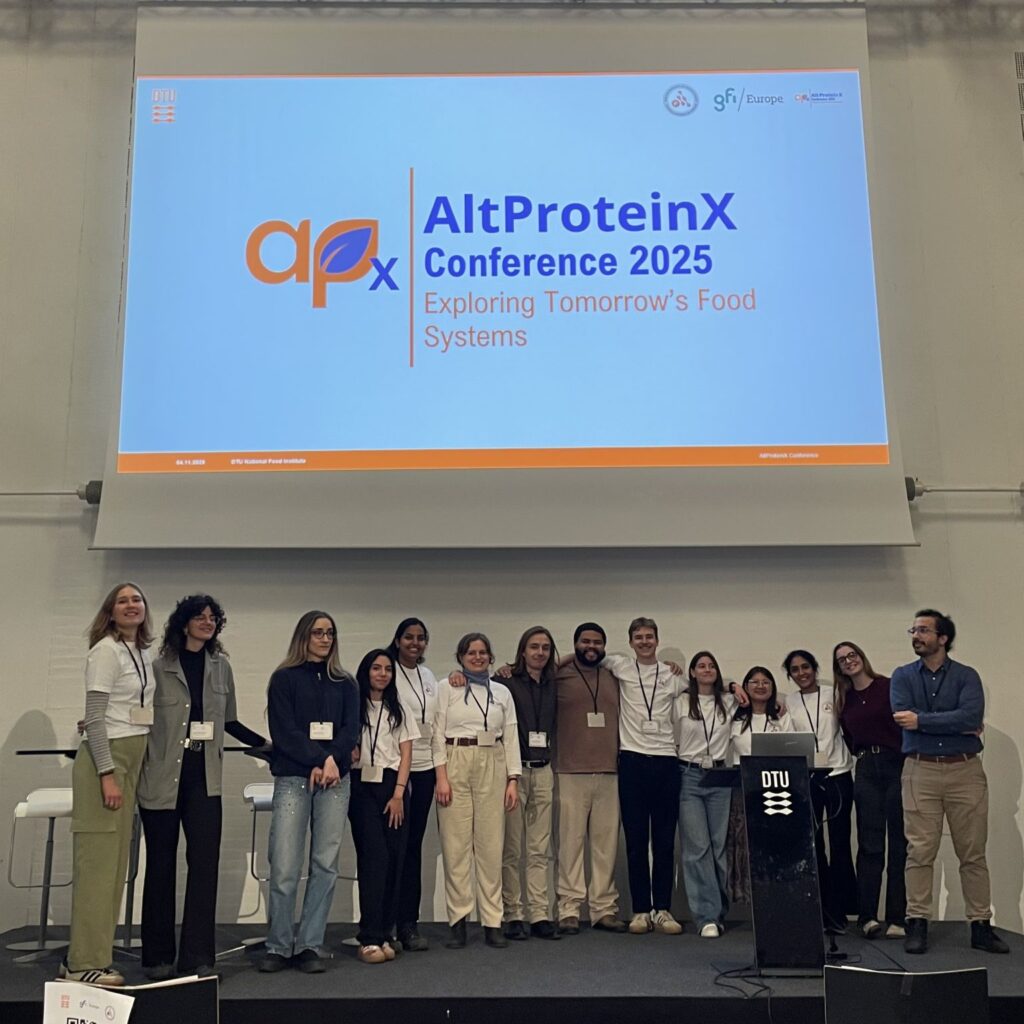
- GFI established the Alt Protein Project, a global student movement dedicated to turning universities into engines for alternative protein education, research and innovation. In 2025, students from the DTU Alt Protein Project organised a conference on alternative protein research, bringing together over 150 students and researchers from across the Nordics.
We help secure funding for open-access research that makes alternative proteins tastier, healthier and more affordable.
- The Good Food Institute has granted over $24 million (around €21 million) to 129 research projects tackling some of the field’s toughest technical bottlenecks – to make alternative proteins tastier and more affordable – across 25 countries through our Research Grants Program.
- Through our outreach activities, we’ve also helped unlock over $2.1 billion (around €1.8 billion) in public funding globally for alternative proteins as of 2026.
As a nonprofit, our work to realise the full potential of protein diversification – for the climate, health, biodiversity, food security and the economy – is only possible thanks to our generous family of donors who also believe in a better food system.
We are proud to have been recognised as one of the most impactful organisations in the climate space by Giving Green. According to Giving Green’s analysis, a $2.98 donation to GFI results in one tonne of CO2eq emissions being avoided (the equivalent of 7,030km by petrol car).
Your gift today can help secure the support and investment needed to build a food system that can handle the heat.
Author

Inès Decoster
Digital Communications Officer