
The history of precision fermentation: How the future of food has been on your plate for decades
Precision fermentation promises to deliver next-generation developments – offering fats and proteins that can bring the taste and texture of meat and dairy to plant-based foods.
Este artículo también está disponible en español.
Questo articolo è disponibile anche in italiano.
Dieser Artikel ist hier auch auf Deutsch verfügbar.
10 March 2026
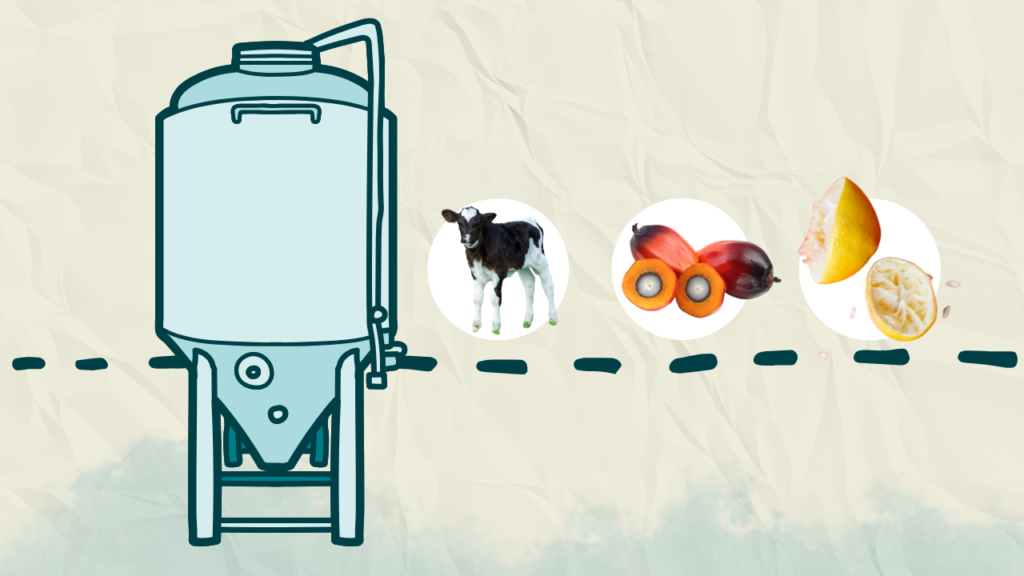
Precision fermentation promises to deliver next-generation developments – offering fats and proteins that can bring the taste and texture of meat and dairy to plant-based foods.
Although the use of this technology to develop alternative proteins is relatively new, other products and ingredients made using precision fermentation have been regular fixtures in our fridges and kitchen cupboards for decades.
In fact, it’s likely that you will have eaten something made using this process in the last few days.
A brief history of fermentation
Humans have been harnessing the power of microbes for thousands of years. Fermentation, a cornerstone of global diets, leverages microorganisms’ ability to convert glucose and other sugars into other molecules, which in turn can make food tastier, more nutritious, more functional, and longer-lasting.
It’s why we get to enjoy delicious food and drink from frothy beer to tangy yoghurt, as well as wine, cheese, sauerkraut and kimchi.
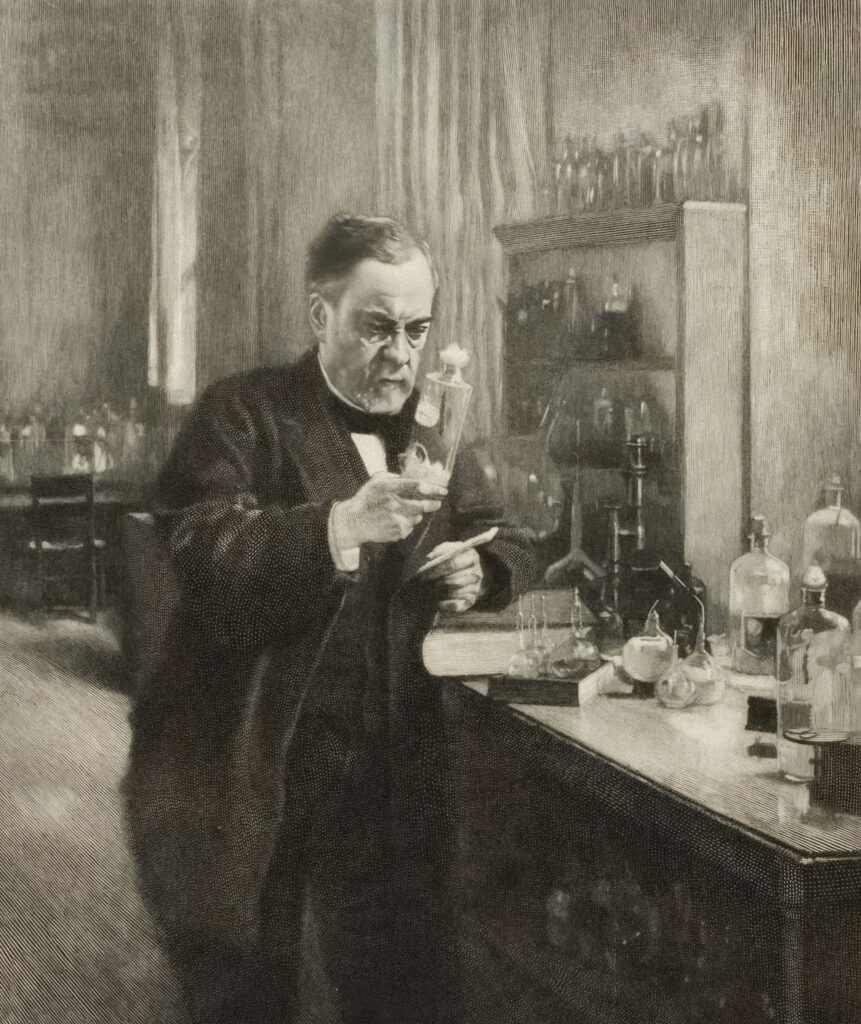
French microbiologist Louis Pasteur expanded our understanding of what was happening under the microscope when he revealed the biological processes at work in wine and beer production in the 19th century, making these industries far more efficient while paving the way for medical advances.
Precision fermentation builds on our long-standing knowledge of using microorganisms, such as yeast or fungi, by utilising their natural ability to produce useful ingredients. In some cases, scientists provide microorganisms with DNA instructions that enable them to produce specific proteins or other ingredients.
The yeast can then produce the desired ingredient in a process similar to how it would turn sugar into alcohol during beer production. The final ingredients can be used to add the flavour and texture of meat, the binding properties of eggs, or the texture of cheese to otherwise plant-based products.
1910s: A more efficient process to make citric acid
Although the term ‘precision fermentation’ was coined only recently, the use of this technology dates back to the early 20th century, when scientists began to understand its potential to provide more reliable and efficient alternatives to animal and plant-based products.
One of the oldest examples is citric acid, widely used as a preservative and flavouring agent, and to add texture to products such as jams and baked goods.
Citric acid has been produced by fermentation since 1919, using a naturally occurring fungus that feeds on corn and molasses sugars. Previously, it had to be extracted from lemon juice using a process that required large amounts of fruit to yield relatively small quantities.
1970s: Boosting insulin production for diabetes patients
One of its earliest applications was not in the world of food, but in the development of new forms of insulin – a drug that provided a lifeline to diabetes sufferers after researchers first extracted it from the pancreas of a dog, and then from those of cattle and pigs.
But because animal-based insulin differs from the amino acid structure produced by the human body, the treatment was unreliable, and some patients experienced allergic reactions or inflammation. Collecting large numbers of pancreases from slaughtered animals was also costly, and supply could not keep up with the rising number of patients.
Advances in precision fermentation in the 1970s enabled researchers to use E. coli to produce human insulin, which could subsequently be produced much more efficiently. Since its first commercial availability in 1982, further developments have enabled variations to be produced that suit the needs of individual patients.
1990s: Delivering a more affordable ingredient for cheesemakers
The scientific understanding of microbes was also being applied to solve another 20th-century problem, this time affecting the food industry.
Cheesemaking relies on rennet, which turns milk into a creamy curd that can then be separated from the liquid whey. Although rennet comes in many forms, cheesemakers traditionally used an enzyme called chymosin, which occurs naturally in the stomachs of young cows, goats or sheep.
In the 1970s, demand for cheese began to outpace the supply of animal-based rennet, pushing its price beyond the reach of smaller cheesemakers.
A solution came when scientists isolated the chymosin gene from a calf’s stomach, which contains the ‘blueprints’ for rennet, and introduced it into a bacterium, before enabling the DNA-carrying microorganism to grow during fermentation and so producing large quantities of this useful enzyme.
The Los Angeles Times, reporting on the United States Food and Drug Administration’s approval of the enzyme in 1990, wrote: “Officials of the dairy industry, which spends about $100 million on rennet each year, welcomed the new product as an alternative to the natural form of the enzyme. Rennet is of uncertain purity and has soared in price in recent years.”
Although some manufacturers still use animal or plant-based sources, precision fermentation-made rennet is now found in around 80% of cheese consumed worldwide.
Vitamins and other food ingredients
Rennet demonstrates how food manufacturers have used fermentation techniques to provide a much more stable and efficient way of supplying crucial food ingredients.
Along with citric acid, precision fermentation is also widely used to produce vitamins essential for our health, such as B2 (also known as riboflavin) and B12, often as dietary supplements, while vitamin C has also been produced by fermentation for decades.
Manufacturers are now using this method to produce enzymes that play an essential role in food production, from ingredients that help cheese ripen to those that can improve the digestibility of cereals and prevent bread from going mouldy.
The process is incredibly useful for the food industry and other sectors, as it enables manufacturers to produce materials on a large scale with enhanced purity and consistency, including complex food ingredients with useful functional properties that would be harder to achieve through chemical reactions in a lab.
Bio-based approaches, such as precision fermentation, are also emerging as cleaner ways to manufacture new materials, as previous chemical-based approaches relied on crude oil and natural gas as their primary building blocks.
Using precision fermentation to make animal-free products
The benefits for those developing alternative proteins are even clearer.

Relatively small amounts of precision-fermentation-made ingredients can dramatically improve the texture and flavour of end products, bringing the flavour and mouthfeel of meat, the binding properties of eggs, or the stretchiness of cheese to otherwise plant-based products.
It can also be used to develop affordable growth factors – a crucial component in the production of cultivated meat – enabling it to scale up and get closer to commercialisation.
Why do we need it?
Recent global shocks and extreme weather events have underscored the need to enhance the resilience of our supply chains.
Just as those cheesemakers in the 1990s welcomed the affordability of fermentation-made rennet, precision fermentation could bring some much-needed resilience to an increasingly fragile global food system dependent on industrial animal agriculture.
The UK culled 1.8 million farmed birds last year in response to bird flu, and Germany a further 400,000 – an issue that led to egg shortages and price increases. Producing egg proteins using precision fermentation is one solution that could help ensure a reliable supply and prevent price spikes during these outbreaks.
And with global demand for protein expected to double by 2050, there is an urgent need for precision fermentation’s potential to deliver the food people love with a fraction of the emissions.
Benefits for climate, nutrition and biodiversity
An environmental impact assessment of French company Verley’s precision fermentation milk protein found that it caused 72% fewer emissions, and used 81% less water and 99% less land than cow’s milk.

Ingredients produced using this method, along with diversifying our protein supply with plant-based meat and cultivated meat and ingredients, require far less land than those from animal agriculture. Research suggests that alternative proteins could enable up to 21% of European domestic farmland to be utilised to boost domestic food production.
Alongside these sustainability gains, there are also nutritional benefits.
Some researchers are using precision fermentation to develop new sources of omega-3 fatty acids as supplements or to enhance the nutritional value of plant-based seafood – urgently required work, as many people don’t eat enough of this micronutrient, and global fish stocks are already insufficient to meet global needs.
Some startups and researchers are using it to develop sustainable alternatives to palm oil, which is widely used across the food industry but has been linked to deforestation, threatening biodiversity and species loss.
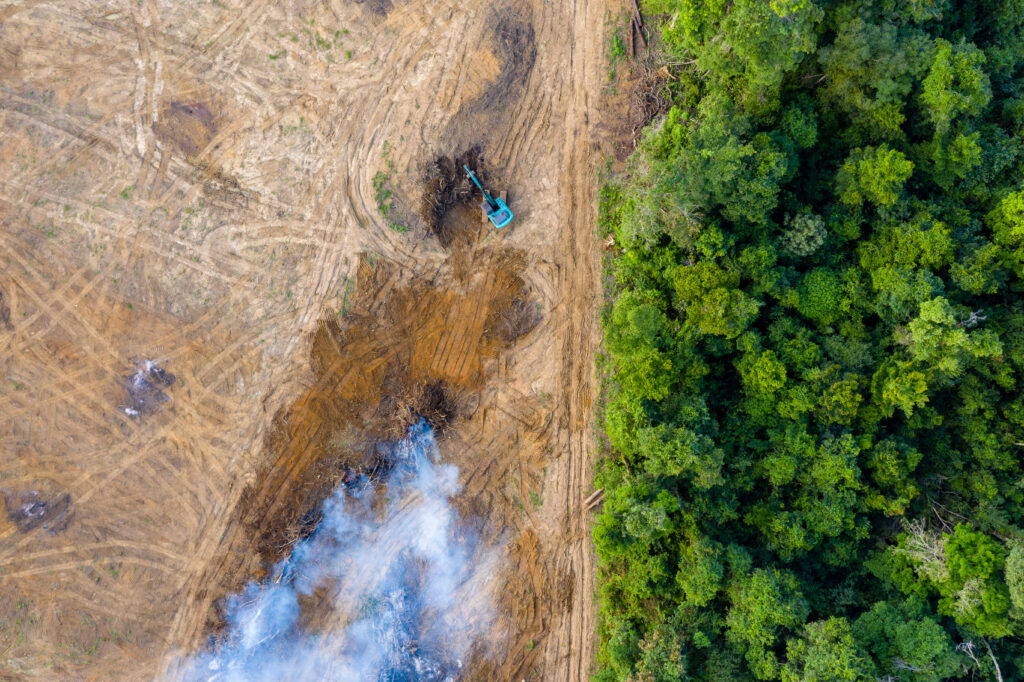
In the UK, Professor Chris Chuck has co-founded the Clean Food Group to produce precision fermentation-made palm oil, which has entered into a partnership with a bakery to provide surplus bread products as feedstock for the fermentation process – highlighting the benefits of this technique in tackling food waste and contributing to a circular economy.
Elsewhere, others are using precision fermentation to produce chocolate, coffee, and other materials such as cotton.
What can the future look like for precision fermentation?
Scaling production to make animal-free proteins affordable remains a significant challenge, mainly because Europe lacks sufficient large-scale facilities to scale up production. We urgently need to see investment from governments and the food industry to deliver the capacity necessary to make these options accessible to everyone.
As precision fermentation systems are scaled up, we also need more work to ensure these processes perform sufficiently well at the scale required for commercial development.
Optimising the feed used to fuel the precision fermentation process – the sugars that the yeast convert into the desired proteins – is another key area where we need to see more research and development, opening the door to using agricultural by-products that are currently wasted.
Alternative proteins made with precision fermentation ingredients have yet to reach European consumers, and to bring these foods to market, companies must secure regulatory approval.
Robust regulation is essential to secure consumer confidence in new foods, but regulators can help to prevent unnecessary delays by ensuring the process is transparent – engaging in dialogue with companies, and clarifying requirements by producing bespoke guidance documents for the sector.
Precision fermentation has already been with us for decades, offering a practical way to put affordable food on our tables. With the right investment and support, it can help provide answers to the challenges we will face in the years to come.
Author

Stella Child
Stella works to help the alternative protein research community across Europe secure grant funding for open-access research.