EU-UK reset agreement grants exemption for cultivated meat and precision fermentation
The European Commission and the UK government have agreed on a new regulatory alignment deal that enables the UK to retain responsibility for assessing the safety of cultivated meat and foods produced using advanced fermentation techniques.
20 November 2026
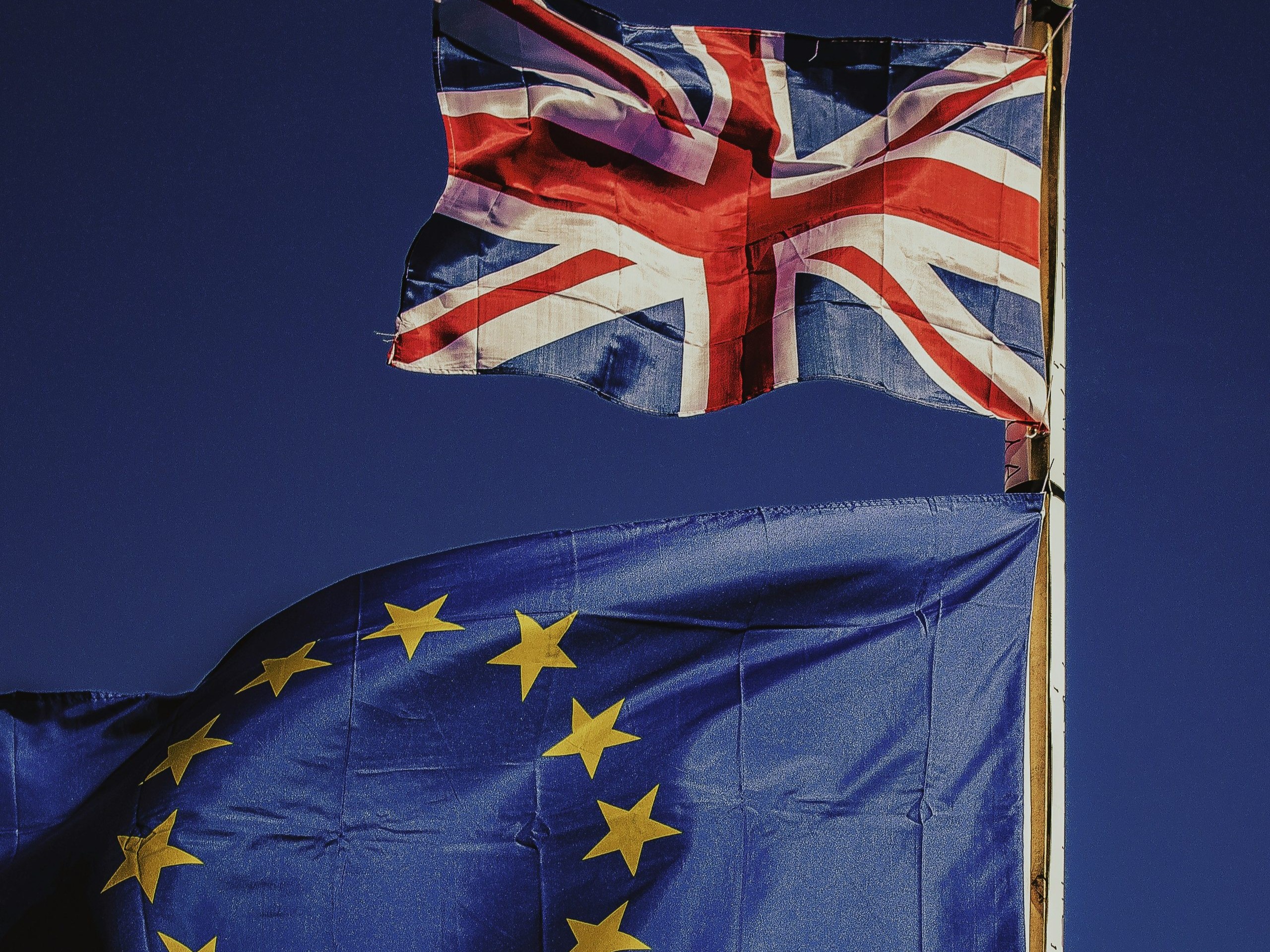
The European Commission and the UK government have agreed on a new regulatory alignment deal that enables the UK to retain responsibility for assessing the safety of cultivated meat and foods produced using advanced fermentation techniques.
The exemption for these novel foods means that responsibility for authorising these products for the Great Britain market will temporarily remain with the UK’s Food Standards Agency (FSA) and Food Standards Scotland (FSS).
The UK and the European Commission have agreed on a new sanitary and phytosanitary (SPS) arrangement, under which the UK will align with a wide range of EU food and farming regulations, including rules on labelling, packaging, and the trade of plant and animal products. The deal will apply from 1 March 2028, but cultivated meat and precision fermentation products “authorised before the Agreement applies” can still be sold on the GB market until October 2029.
Cultivated meat aims to be indistinguishable from the chicken, pork and beef that we eat today, but is made from animal cells in fermentors, similar to those used to brew beer. Companies are also using processes such as precision fermentation, used for decades to make ingredients like rennet for cheesemaking, to develop ingredients such as animal-free dairy and egg proteins and palm oil sustainably.
Diversifying our protein supply with these foods can help boost the resilience of our food supply chains in the face of global conflict, trade disruption and extreme weather events.
Peer-reviewed research suggests cultivated meat could cut the climate impact of meat by up to 92%, reduce air pollution by up to 94%, and use up to 90% less land. Analysis of precision fermentation milk protein made by French company Verley found there was a 72% reduction in emissions, an 81% reduction in water use, and 99% less land use when compared with cow’s milk.
What the exemption means
These foods are not yet authorised for sale in either the UK or the EU. The FSA – which has been responsible for safety assessment and granting market authorisation for a wide range of new foods and animal feeds since Brexit – is currently undertaking several risk assessments ahead of potential authorisations, some of which have been submitted by companies based in Europe.
A separate process is used in the EU, under which the European Food Safety Authority (EFSA) conducts safety assessments before the European Commission and member state representatives decide on EU-wide authorisation.
Companies planning to sell these products in Great Britain, regardless of where they are based, will continue to apply to the FSA for authorisation.
Meanwhile, companies planning to sell their products in the EU will continue to apply to the European Commission – regardless of where they are based. Products approved for sale in Great Britain will not be allowed to be sold anywhere in the bloc. Once the temporary exemption lapses, only foods authorised by the EU will be eligible for sale in Great Britain, and FSA authorisations will no longer apply.
Modernising UK regulations
The temporary exemption sends a strong message that the UK government supports the development of these foods and means UK efforts to enhance regulatory understanding of cultivated meat can continue, benefiting both British and European innovators.
The UK government has invested in a multi-year £1.6 million sandbox programme, enabling regulators to make more informed decisions on product safety and guide companies on how to effectively demonstrate that their products and processes are safe.
This has led the FSA and FSS to issue guidance documents and create a business support service that advises companies on how to effectively demonstrate that their products and processes are safe and aligned with the UK’s existing novel foods regulatory framework. Several applications to sell cultivated meat in Great Britain are currently being considered by the FSA.
A separate fermentation hub, set up with support from the government’s Regulatory Innovation Office, aims to boost the FSA’s ability to carry out risk assessments on fermentation-made products while providing greater regulatory clarity to startups wanting to sell them in the UK.
Alex Holst, Deputy Head of Policy (EU) at nonprofit think tank the Good Food Institute Europe, said: “After a devastating year for food production, it is positive to see the UK and EU work together to build a more resilient food system, including enabling innovations to scale by clarifying regulatory pathways.
“The temporary exemption gives the EU an opportunity to learn from the UK’s experience as it prepares to assess new food innovations heading its way.”
