
GFI’s global Research Grant Program targets some of the most promising and neglected areas of research relating to plant-based, fermentation made and cultivated meat to advance the field and maximise real-world impact. We’re thrilled to introduce our latest cohort of Europe-based researchers – whose projects, spanning from muscly Italian cows to goulash and sausages, are shaping the future of food.
Europe’s alternative protein research ecosystem is flourishing. Over the past five years, both the number of published studies and the level of public funding have nearly tripled – positioning Europe as an emerging global leader in this rapidly evolving field.
Yet, significant challenges remain on the path to bringing plant-based, cultivated meat and fermentation-made foods to more people’s plates. Achieving this goal is essential if these innovations are to drive real progress towards a more sustainable, secure and just food system.
To make it happen, improved taste, reduced costs, and enhanced nutritional value are key priorities. Since 2019, the Good Food Institute’s Research Grant Program – powered by our generous family of donors – has been advancing these by accelerating open-access research and empowering the next generation of food innovators to overcome technical bottlenecks.
Each year, a select group of promising projects are chosen through a rigorous review process to drive progress in these areas across the world. We’re very proud to introduce the 2026 pioneering grantees and their research projects based in Europe. Their work has the potential to shape the future of food – advancing more sustainable, healthy, and ethical ways to feed the world.
Looking for funding opportunities? Check out our research funding database from across the sector, and our GFI-powered research funding opportunities.
Prof Dimitris Charalampopoulos | University of Reading, UK
How food looks plays a huge role in its appeal. Yet, when it comes to meat, achieving the right colour, texture, and flavour often requires many added ingredients. This can significantly drive up costs – and be off-putting for some people. But what if a natural ingredient could play multiple functions at once?
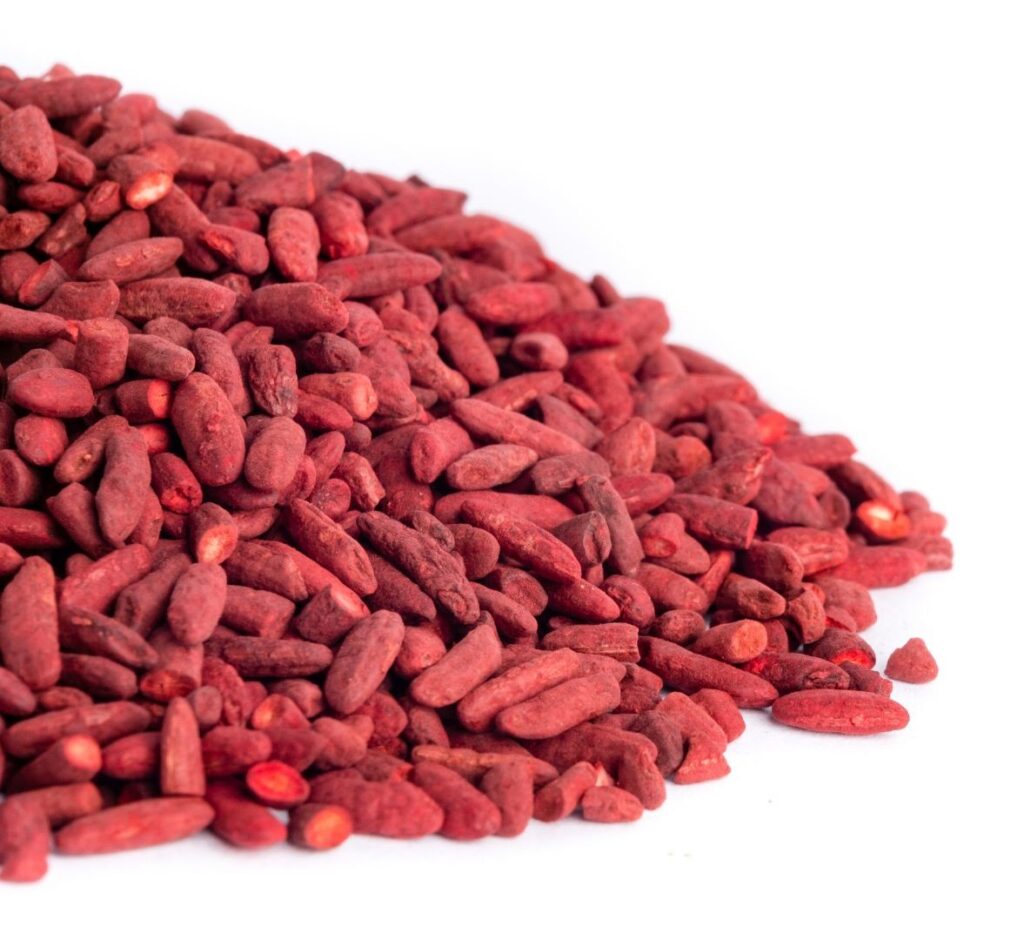
Their research focuses on developing a scalable method for producing the yeast, finding the best ways to blend it with plant proteins, and testing how well the final product cooks and performs.
This is what Dimitris Charalampopoulos and his team will look into. They will explore how a strain of red yeast can be used to create plant-based products that look, taste, and feel like whole cuts of meat – such as steak. This special yeast naturally contains a pigment that gives it a rich red colour, is high in complete protein, and can help recreate the savoury flavour and fibrous texture of meat. By using nutritious, multi-functional ingredients such as yeast, the team at the University of Reading hopes to reduce costs while boosting both appeal and nutritional value.
Dr.-Ing. Ulrike van der Schaaf | Karlsruhe Institute of Technology, Germany
Plant-based meats often struggle to maintain their texture, flavour, and juiciness during long cooking times. This makes them difficult to use for traditional slow-cooked dishes, like stews or goulash. Ulrike van der Schaaf and her team will bring two culinary traditions together – centuries of fermenting with koji and the time-honoured art of slow-cooking – to create plant-based meats that perform successfully in these recipes.
They will combine koji protein – a nutritious ingredient made from the fungus Aspergillus oryzae, which has been used for centuries in Indonesian and Japanese cuisine to make tempeh and miso – with faba flour. Faba flour is an unrefined bean flour high infibre and several essential nutrients like iron.
Koji itself is a high-quality, complete protein. It can also increase the digestibility of the protein and nutrients in plants during the process of fermentation, which breaks down so-called anti-nutrients that can limit absorption. In addition to these nutritional benefits, it also improves the texture, chewiness, and cooking performance of the final product. Using high-moisture extrusion, Ulrike will test different formulations and processing conditions to find optimal koji concentrations.
Because koji can be grown locally from food industry by-products, and is well understood since it’s been used in food fermentation for centuries, this approach also supports a circular economy while helping people embrace tasty, nutritious, and sustainable meat alternatives.
Dr Hooman Hefzi | Technical University of Denmark
As our bodies go about their business, our cells produce waste. For instance, lactic acid builds up in our muscles during exercise, or protein digestion produces ammonia. Our circulatory systems swiftly clear these byproducts. For cultivated meat, though, removing these efficiently can be a challenge. This can ultimately limit the cells’ growth and increase the costs of production.
Some progress has already been made by medical researchers working on cell cultures for therapeutic purposes. Hooman Hefzi aims to explore how these techniques might be applied to cultivated meat. With his team, he aims to improve a bovine (cow) cell line so it can grow more effectively in suspension culture. This could reduce costs and allow smaller, more varied players to develop cultivated meat by reducing the need for larger facilities.
They’ll also use genetic engineering to stop the cells from producing waste compounds like lactate and ammonia, allowing the cells to grow in greater numbers. Through this research, the team hopes to produce a high-performing, adaptable and easily accessible cell line that can serve as a foundation for future innovations in cultivated meat production.
Dr Joshua Flack | TU Delft, Netherlands
Current bovine cell lines used in cultivated meat research aren’t yet ideal for large-scale, low-cost production. As part of the ReCACE project, Joshua Flack aims to change that by developing a new genetic engineering platform that makes it easier to add useful traits to these cells.
The team will first create special “landing-pad” cells that can easily accept new genes. Using this platform, they’ll engineer cell lines that can grow freely in liquid (suspension) and test other improvements like better muscle cell formation and nutrient use.
The team looks forward to sharing the methods and tools developed through this project to help advance global progress in cultivated meat research.
Dr Restituto Tocmo | University of Reading, UK
Sausages have long been a beloved staple across Europe, but today we consume far more than we did 50 years ago. Behind this rise lies the rapid intensification of farming, a shift that carries heavy consequences for both the planet and our health. At the same time, many people are hesitant to switch to plant-based versions because of differences in taste and texture. That’s the challenge Restituto Tocmo and his team hope to tackle through the YarroPro project – a collaboration between the University of Reading, the National University of Singapore, and the University of the Philippines Diliman.
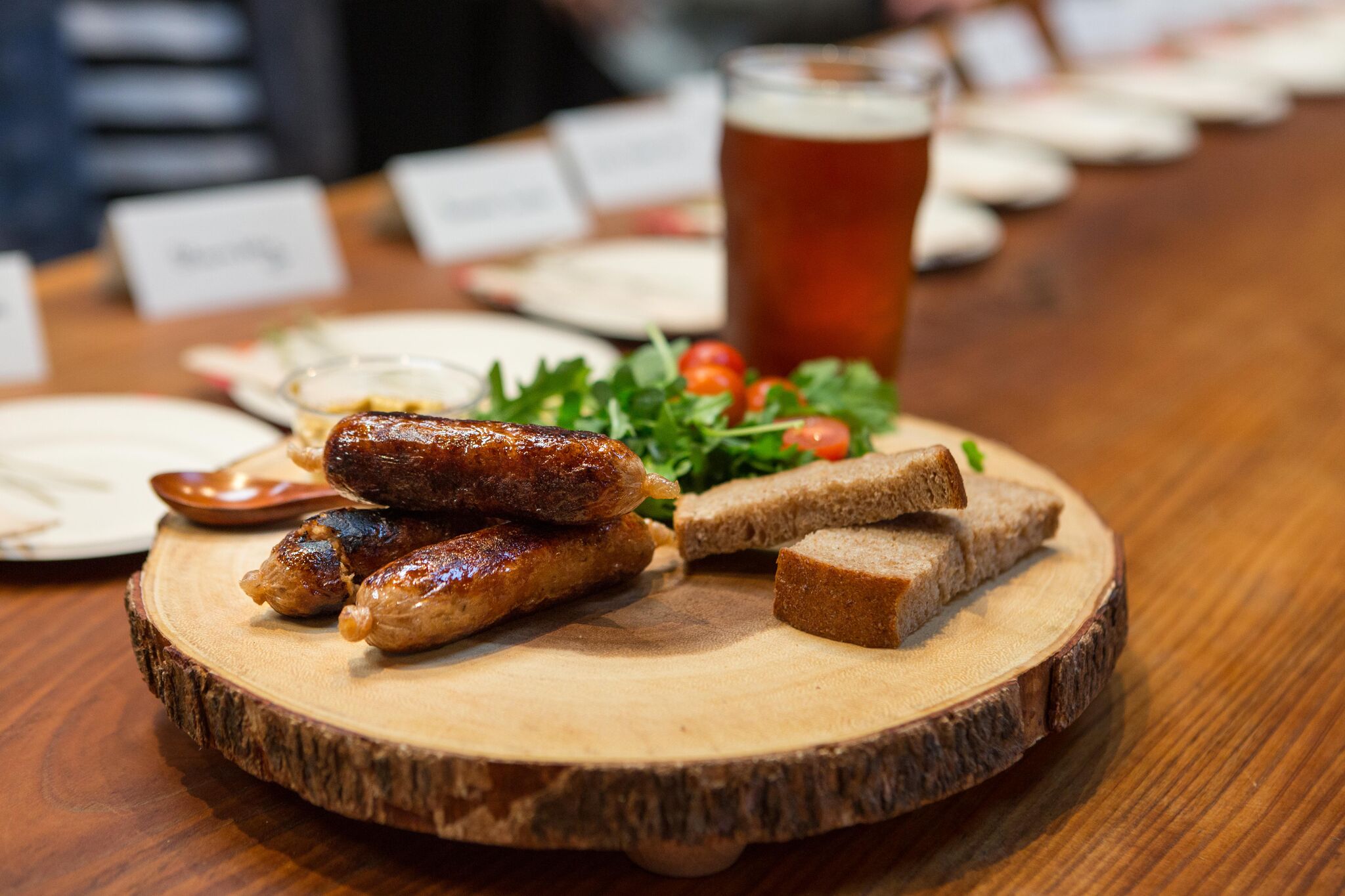
This project aims to harness the power of the versatile Yarrowia lipolytica yeast to produce delicious, nutritious plant-based sausages. Restituto Tocmo and his team will explore how to grow this yeast using spent coconut meal – a byproduct of global coconut processing that’s plentiful and sustainable. The resulting yeast biomass will then be combined with proteins from legumes to create “hybrid” sausage recipes.
They will also test ways to reduce the beany or bitter notes often found in plant-based proteins, while improving the sausages’ flavour, texture, and nutritional value. If successful, YarroPro could help offer healthier, more sustainable ways of making this beloved food, offering a simple switch that can help people diversify the protein in their diets.
Assoc Prof Alessandro Bertero | Molecular Biotechnology Center “Guido Tarone,” University of Torino, Italy
Italy is home to many heritage cow breeds, including one that naturally carries a genetic variation that leads to greater muscle growth – making it especially promising for producing high-quality, culturally familiar cultivated meat. At the same time, the large-scale production of cultivated meat is currently limited by the lack of reliable, affordable stem cells – cells that have not yet specialised and can develop into different types of cells, including muscle.
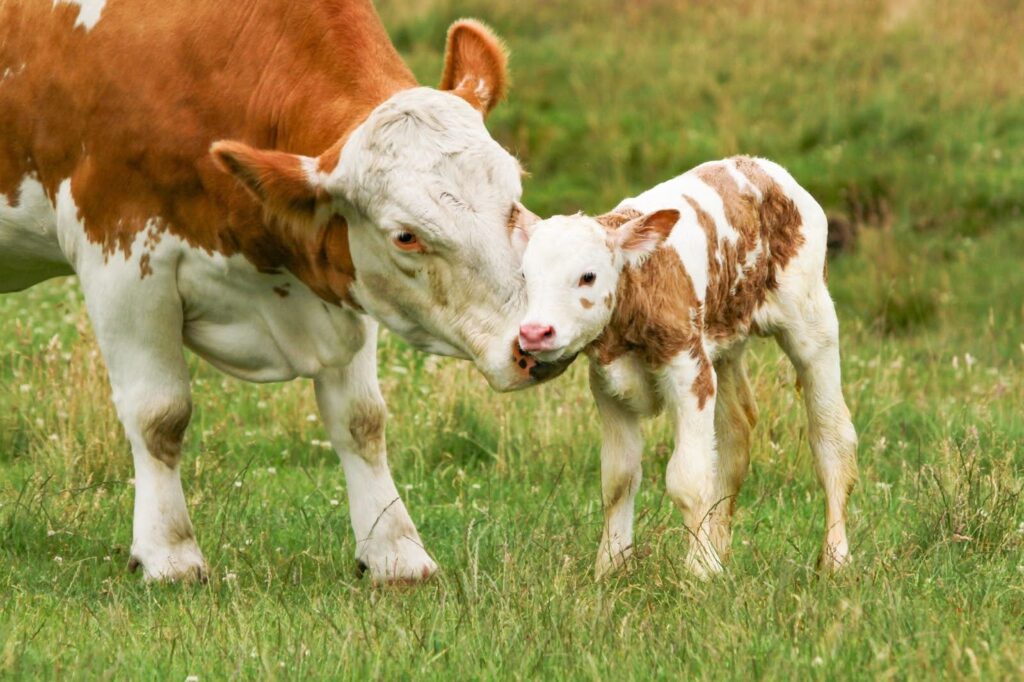
To address this, Alessandro Bertero and his team aim to create and share a publicly available line of embryonic stem cells from a heritage cow breed. These cells will be grown in carefully defined, serum-free* conditions that are easier to reproduce and scale, and that do not rely on any genetic modification techniques.
In parallel, the team will create a second cell line using advanced genetic tools, which self-renew and can be triggered to ‘differentiate’ – when cells develop into specialised cell types like muscle or fat – without expensive growth factors. Together, this will appeal to both markets that prefer non-GMO solutions and those open to genetic engineering, helping to make cultivated meat more scalable and accessible worldwide.
*’serum’ refers to FBS, a byproduct of conventional beef production that has historically been used in cell cultivation research. It is not viable for production at scale because it is expensive, inconsistent and limited in supply – as well as relying on conventional beef production. As such, many cultivated meat companies have already moved away from FBS, but more research and development needs to be done to optimise media specifically formulated for cultivated meat cell lines.
Prof Dr Yanyan Zhang | University of Hohenheim, Germany
Yanyan Zhang will tackle one of the biggest challenges in plant-based meat: capturing an authentic meaty taste and aroma. With her team, they will develop a new and scalable fermentation process that uses Basidiomycota fungi and plants from the onion family to produce two natural flavourings – one that tastes meat-like, and another that is rich in umami (savouriness) and kokumi (depth).
By combining German and Chinese expertise in fermentation and flavour science, the team will extract the flavours, test them in plant-based meat alternatives, and assess their consumer acceptance in both the German and Chinese markets. The aim is to produce sustainable, natural flavour ingredients that enhance the taste of plant-based meats and expand how fungi can be used in food system transformation.
Dr Lakshmi Mundkur from Umami Bioworks (India), in collaboration with Prof. Kiron Viswanath and PostDoc. Nafeez Ahmed from Nord University (Norway)
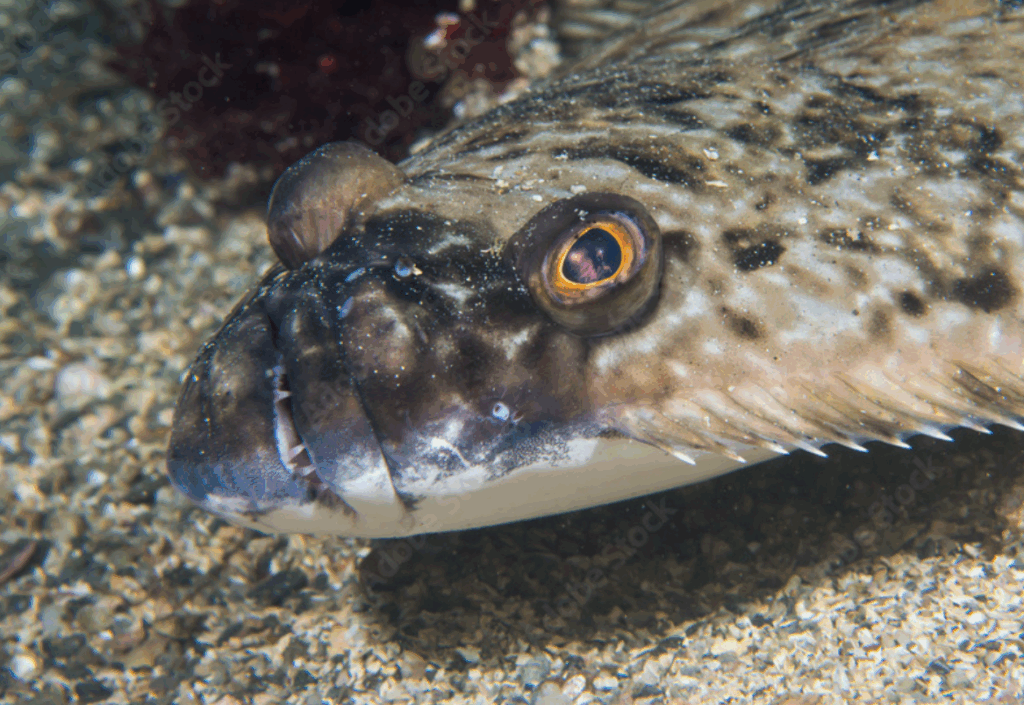
Atlantic halibut can grow up to 5 meters in length, making them the largest flatfish species in the world, and can live for up to 50 years. They are also a popular choice on dinner plates, both for their taste and high nutritional value. Unfortunately, growing demand coupled with halibuts’ slow growth rate have led to chronic overfishing and stocks have been slow to recover.
This project aims to reproduce halibut’s valuable nutritional qualities while reducing the pressure on wild stocks. The research team will collect stem cells from Atlantic halibut and test how they grow and develop into muscle and fat tissue. Using an in-house machine learning tool, the team will identify the best conditions for cell growth and adapt them to thrive in liquid, serum-free cultures. They will also study the cells’ genetics and metabolism to make sure the cell lines stay healthy and stable over time.
By developing sustainable, cultivated halibut, this project could provide a reliable source of nutritious seafood while helping protect wild halibuts and support a more sustainable food system.
We’re excited to support them on this journey, and to see the results of their research. Stay tuned as we share updates on their breakthroughs and progress, and check out our Meet the Researcher blog series, which offers a deep-dive into a broad range of exciting research ongoing at European institutions, including profiles of some of our previous grantees.
If you’re interested in applying to the 2027 edition of our research grants programme, check out this page.
Go further
If you want to learn more about alternative proteins and opportunities in this field, check out the following resources.
If you’re a researcher:
- If you’re looking for funding, explore funding opportunities here.
- Check out our technical deep dives to identify solutions for alternative proteins’ taste, price, scale parity, and improved environmental sustainability.
- Join the Alternative Protein Researcher Directory to connect with potential collaborators, mentors, or supervisors in the field.
- Tune in our monthly science seminars hosted through the GFIdeas community to stay up to date with the latest discoveries.
If you’re a student:
- Take our free online course to learn the science behind plant-based foods, cultivated meat and fermentation.
- Explore our student resource guide to get started in the field.
- Visit our careers board for the latest job opportunities in alternative proteins.
Our work – from funding research to supporting evidence-based policies – is powered by generous and pioneer donors. Your support helps us make alternative proteins more affordable, delicious, and widely available. Join our community today, and help build a more sustainable food system for the planet, people and animals.
Author

Stella Child
Stella works to help the alternative protein research community across Europe secure grant funding for open-access research.