
Germany remains Europe’s leading market for plant-based foods with 3.1 % growth in sales value
Germany remains Europe’s largest market for plant-based foods in 2025. However, performance varied across categories, with plant-based milk showing the strongest growth.
Dieser Artikel ist auch auf Deutsch verfügbar.
9 June 2026
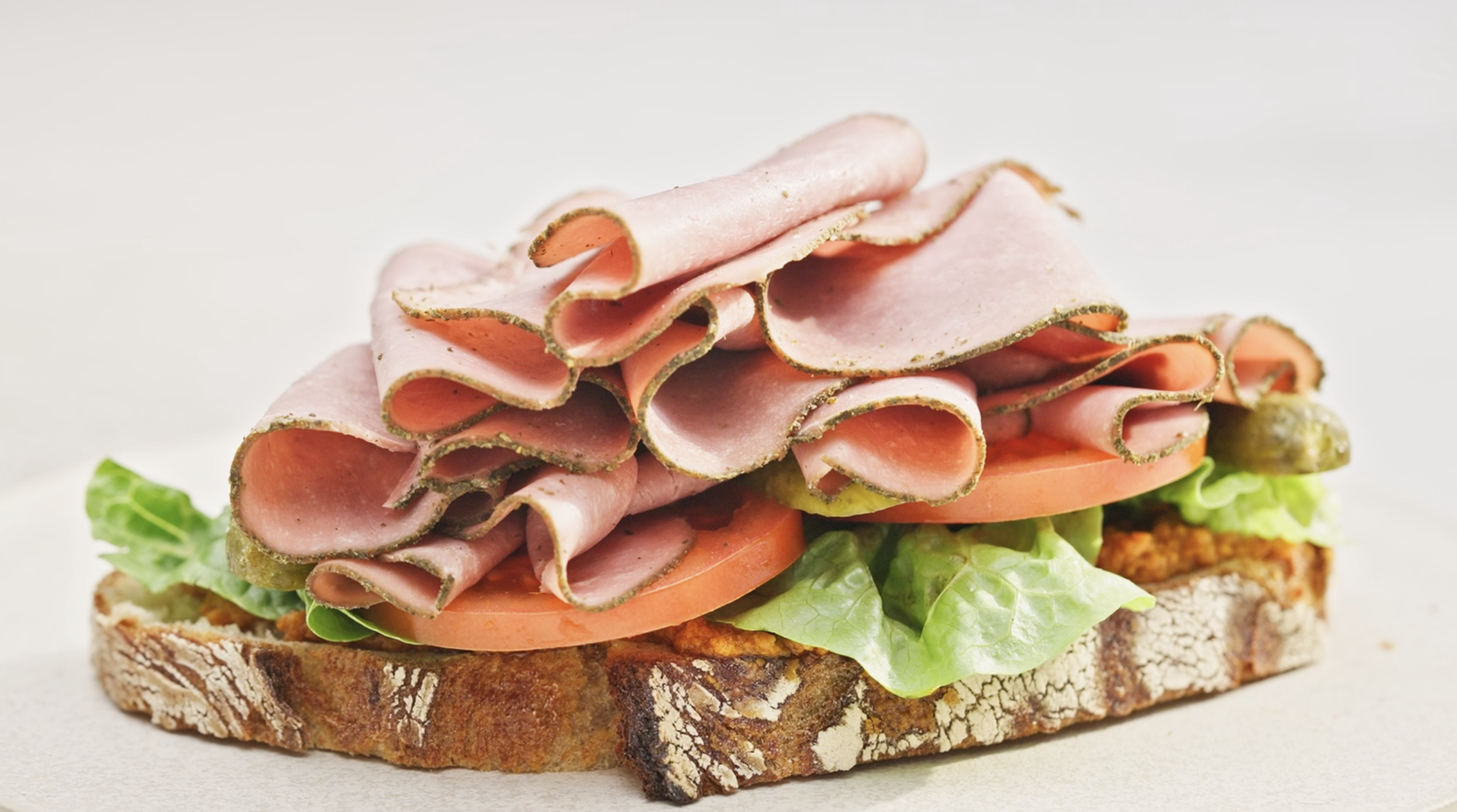
Germany remains the largest market for plant-based foods in Europe, according to a new report by GFI Europe based on data from Circana and NIQ Homescan.
In 2025, the six core categories (meat, seafood, milk and drinks, yoghurt, cheese, cream) generated total retail sales of €1.71 billion in Germany, representing growth of 3.1% in sales value and 6.2% in sales volume from 2024. However, performance varied across categories, with plant-based milk and plant-based yoghurt driving overall growth.
Plant-based meat: Challenges with taste and texture
In the largest category, plant-based meat, sales revenue levelled off at €751 million, while sales volume declined slightly by 1.7%. The results roughly correspond to the decline in production volume reported by the Federal Statistical Office for 2025.
The decline in sales volume was primarily driven by supermarket private-label products, which fell 7% despite being 38% cheaper than branded products, while branded products saw sales volume rise slightly. This trend suggests that private-label plant-based meat products, in particular, do not yet sufficiently meet consumer expectations regarding taste and texture.
In contrast, the sales volume of tofu, tempeh and seitan (traditional protein-rich foods) increased by 30% to 14 million kg in 2025. A key reason for the growing popularity of these foods is likely their lower price, as tofu costs, on average, less than half as much as plant-based meat (€6.57 versus €14.35 per kg). Nevertheless, plant-based meat still had 3.7 times the sales volume of tofu, tempeh and seitan combined in 2025.
Plant-based milk and yoghurt: growth drivers of the market
The sales value of plant-based milk and drinks – the second largest category – grew by 8.1% to €632 million in 2025, while sales volume rose by 7.7%. Plant-based milk and drinks made up 9.2% of the total retail sales volume of milk in Germany in 2025.
Private-label products of supermarkets and discounters were the biggest growth drivers. They accounted for 60% of the category’s sales volume in 2025, demonstrating that investments by food retailers in high-quality private-label products are paying off. Product innovation has also contributed to the category’s growth, as 55 of the 275 products analysed were barista-style.
A reduction in the price premium also helped to boost sales, with plant-based milk being 10% more expensive per litre on average than dairy milk in 2025. The remaining premium can be attributed exclusively to the ongoing tax disadvantage: plant-based milk is subject to a 19% value-added tax, while dairy milk is taxed at only 7%. Without this disadvantage, plant-based options would be roughly the same price as dairy milk today.
The plant-based yoghurt category grew even more strongly, with a 9.8 % increase in sales value and a 7.8 % increase in sales volume.
Recent investments by major dairy players, such as Müller and Bauer, demonstrate the industry’s commitment to the plant-based market.
Plant-based cheese and seafood: niche categories need innovation
With less than 1% market share in their respective categories, plant-based cheese and seafood remain niche categories struggling to grow. Sales value of plant-based cheese declined 7.4% in 2025, while sales volume remained roughly steady at 7.5 million kg. Plant-based seafood – by far the smallest category in the plant-based food market – saw a sharp decline, with a 29% drop in sales volume.
In a small product category, this may be due to fluctuations in the product range. However, it is likely that product performance is the most crucial limitation, as plant-based seafood products still do not match their animal counterparts in terms of taste and texture, as also suggested by early sensory studies.
Policy action required
Overall, interest in alternative products in Germany remains high: nearly one in three German households purchased plant-based meat at least once in 2025; for plant-based milk, the reach was 38%. A key reason for this is consumer openness as well as the pioneering role of the German retailers, who are pushing to increase the share of their plant-based protein sales through product range expansions and targeted investments in innovation and price parity.
The economic and environmental potential of plant-based foods and alternative proteins is enormous. According to a study by Systemiq, the sector in Germany could contribute up to €65 billion in value creation over the long term, create up to 250,000 jobs, and save up to 8.1 million tonnes of CO₂ equivalents, provided there is sufficient investment and political support for protein diversification.
To unlock the potential of plant-based options for climate protection, health, and economic growth, decisive action is needed from manufacturers, retailers and policymakers. Germany currently ranks in the middle of the pack in Europe in terms of per capita public investment and must take a leading role in this area so that sustainable alternatives reach more consumers.
Competitive disadvantages for plant-based foods are also hindering development, such as the VAT disadvantage for plant-based milk and the recently adopted labelling restrictions for plant-based products in the EU.
Ivo Rzegotta, Germany, Austria and Switzerland Lead at the Good Food Institute Europe: “The German market for plant-based foods continues to expand its leading position in Europe. The most successful categories are those that meet consumer expectations on both taste and price, following investment and commitment from retailers. But to unlock the full economic and environmental potential of plant-based foods, policymakers in Berlin and Brussels should invest significantly in research and infrastructure, and eliminate unfair competitive disadvantages, such as unequal taxation and the absurd labelling bans on plant-based options.”