
Fermentation
Your guide to the science, business and policy of using fermentation to produce animal-free meat, eggs, dairy and seafood.

What is fermentation?
Alternative protein companies are using fermentation in innovative ways to produce foods that deliver the distinctive flavours and textures of animal products, without farming animals.
Fermentation can be used to produce ingredients that look, cook and taste like meat, through a process similar to the way foods like tempeh are made. There are three main ways in which fermentation can be used to support protein diversification: traditional fermentation, biomass fermentation, and precision fermentation.
- Traditional fermentation uses well established fermentation techniques that use yeast or other microorganisms to modify the flavour, texture, or other characteristics of plant proteins.
- Biomass fermentation leverages the fast growth and high protein content of microorganisms to produce large quantities of protein ingredients.
- Precision fermentation uses yeast to produce real egg or dairy proteins (like whey and casein) or meat proteins (like haemoglobin), delivering the familiar flavour and texture of foods like cheese and milk, without using animals.
Why do we need fermentation?
Fermentation is an incredibly efficient process. It enables cells to produce protein very quickly, sometimes doubling in concentration within hours, compared to months or years for animals.
This means that, compared with farming animals, meat and other alternative proteins made using fermentation are less resource-intensive. They have the potential to reduce greenhouse gas emissions, deforestation, biodiversity loss, water use, water pollution, antibiotic resistance, and foodborne illnesses.
The fermentation process can even help to reduce food waste, by transforming agricultural surplus and byproducts into nutritious and delicious food.
How can we advance fermentation in Europe?
Creating meaty flavours and textures using fermentation involves using new science and technology. Many approaches are yet to be rigorously explored or optimised for making alternative proteins, and research is needed to find the best ways of producing them at scale.
To uncover the full potential of sustainable proteins made with fermentation, we need public investment in open-access research and development to support innovation and make these foods accessible for consumers across Europe. GFI’s analysis of research priorities explores the most needed open-access research for advancing the fermentation sector.

The science of fermentation
Learn more about the science and technology behind fermentation – and the white spaces where more research is needed to accelerate the transition to a sustainable, secure and just food system.
The business of fermentation
Europe’s fermentation sector is growing rapidly, with companies producing everything from fish fingers to cheese. European fermentation companies raised €164 million during the first six months of 2024 – more than the €100 million raised throughout the whole of 2023.


The policy of fermentation
To deliver on their potential to help tackle the climate and ecological emergency, protect public health and enhance food security, fermentation-made proteins need government support.
GFI Europe advocates public investment in fermentation R&D, evidence-based regulation of new foods, and clear labelling rules to help consumers make more sustainable choices.
Latest news on fermentation

New research: Producing widely-used ingredients from waste can rival cocoa butter on cost
A new study finds that scaling up a technology aimed at producing vital ingredients from food industry and agricultural side…

Novel foods milestone as new mycoprotein earns first EU approval
The European Commission and member states have now authorised Fermotein as a novel food – meaning it can now be…
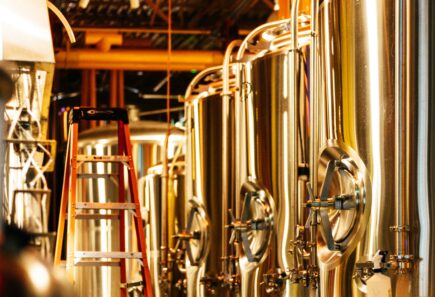
Meet the researcher: Brewing up new ideas to scale precision fermentation with Josué Heinrich
A team at Wageningen University and Research in the Netherlands is asking whether the brewing industry could provide clues for…
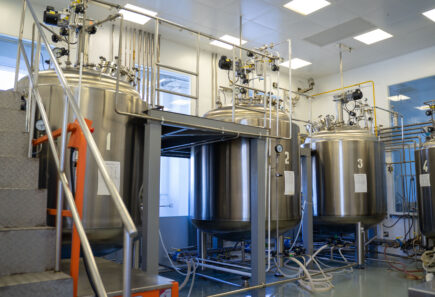
Germany’s High-Tech Agenda: innovation hub for alternative proteins could support economic growth
An international network linking Nordic researchers seeks to provide collaborative opportunities often missing in alternative protein science.

Breaking down the boundaries: Meet the researchers working on a cross-border project to build Nordic alternative protein momentum
An international network linking Nordic researchers seeks to provide collaborative opportunities often missing in alternative protein science.

The history of precision fermentation: How the future of food has been on your plate for decades
Precision fermentation promises to deliver next-generation developments – offering fats and proteins that can bring the taste and texture of…

EU Biotech Act a ‘missed opportunity’ for food innovation
Nonprofit think tank the Good Food Institute Europe (GFI Europe) has welcomed plans in today’s Biotech Act to expand the…
Meet the 2026 GFI research grantees shaping the future of alternative proteins in Europe
Discover the latest research projects selected for the GFI Research Grant Program, driving alternative protein innovation in Europe.