
Germany’s High-Tech Agenda: innovation hub for alternative proteins could support economic growth
An international network linking Nordic researchers seeks to provide collaborative opportunities often missing in alternative protein science.
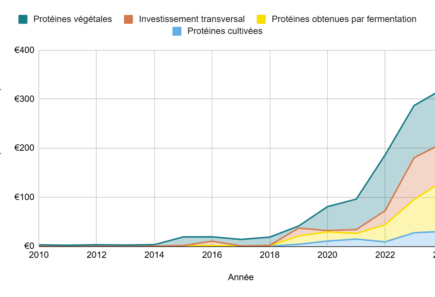
New analysis has revealed the rapid growth of Europe’s alternative protein research, with the number of studies published and public funding levels almost tripling over the last five years.
The launch of the world’s first master’s programme dedicated to alternative proteins marks another significant step in the development of protein diversification as an academic field.
We talk to the researchers exploring how to accelerate cultivated meat's journey to supermarkets by using it as an ingredient in otherwise plant- and fermentation-based products.
Double-digit growth of more affordable own-brand products has driven an increase in plant-based retail sales across four European countries.
New research has found that 38% of German and UK adults intend to change their diets by eating more plant-based foods.
Bringing chicken out of the woods and onto the dinner table – a commonly eaten mushroom popular with foragers is at the heart of a project to develop a sustainable and innovative new food ingredient.
The first analysis of its kind has revealed that patent publications by European alternative protein innovators have increased by 960% over the last decade.
A researcher investigating new ways of turning underused crops into tasty and nutritious products says far more work will be needed to unleash these foods' potential.