
Research finds alternative proteins could boost EU economy by €111 billion by 2040
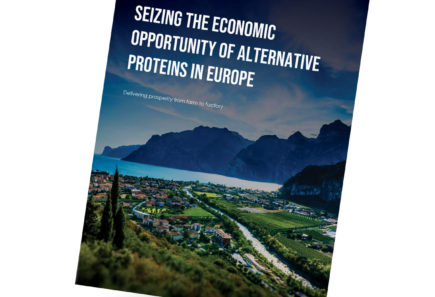
Elena WaldenAlternative proteins could add €111 billion a year to the EU’s economy by 2040 if treated as a strategic priority, new research shows.
Alternative proteins could add €111 billion a year to the EU’s economy by 2040 if treated as a strategic priority, new research shows.
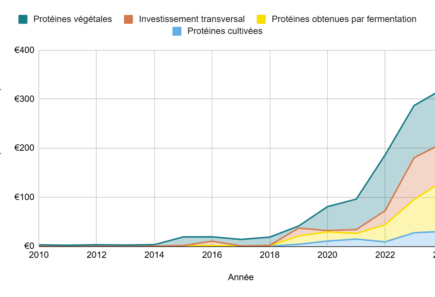
New analysis has revealed the rapid growth of Europe’s alternative protein research, with the number of studies published and public funding levels almost tripling over the last five years.
Embracing the complexity of natural raw ingredients can help develop more nutritious, tastier and affordable plant-based products while challenging consumer concerns around ultra-processed foods.
The UK government’s new outline for the upcoming food strategy has highlighted that alternative proteins can deliver economic growth.
The EU’s Strategy for European Life Sciences has outlined funding opportunities worth €350 million and plans to scale up fermentation technologies that could unlock the potential of Europe’s food innovators.
The latest Horizon Europe deadlines are fast approaching, with plenty to offer the region’s food innovators. Dr Stella Child dives into the calls to unpack the opportunities for alternative protein researchers.
Policymakers planning to shape the future of European research through FP10 – the successor to the EU’s flagship Horizon Europe programme – have a golden opportunity to capitalise on the expertise being developed by a growing network of food innovators.
Nonprofit and think tank the Good Food Institute Europe (GFI Europe) has welcomed the Climate Change Committee’s (CCC) advice that the UK government support the development of more nutritious and sustainable plant-based foods.
The first analysis of its kind has revealed that patent publications by European alternative protein innovators have increased by 960% over the last decade.