
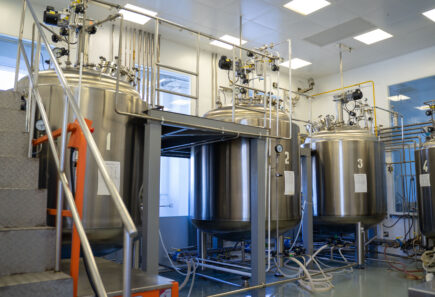
Germany’s High-Tech Agenda: innovation hub for alternative proteins could support economic growth
An international network linking Nordic researchers seeks to provide collaborative opportunities often missing in alternative protein science.
An international network linking Nordic researchers seeks to provide collaborative opportunities often missing in alternative protein science.

Precision fermentation promises to deliver next-generation developments – offering fats and proteins that can bring the taste and texture of meat and dairy to plant-based foods.

The EU’s new Bioeconomy Strategy has outlined plans that will support fermentation innovators in scaling up production and bringing food products to market.

A new report from the FAO demonstrates for regulators and policymakers how existing food safety considerations and frameworks can be applied to precision fermentation. Here, we explore the key insights from this timely publication.
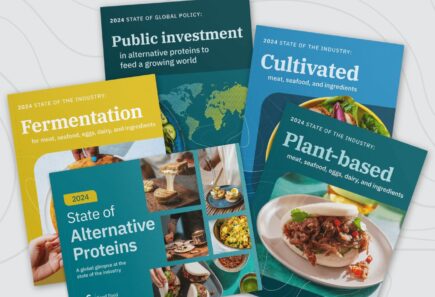
The latest investment figures show European privately held companies developing plant-based foods, cultivated meat, and fermentation raised nearly $509 million (€470 million) in 2024 – a 23% increase from the previous year.
The UK government has invested £1.4 million in a new innovation hub, enabling the Food Standards Agency (FSA) to expand its expertise in new technologies including precision fermentation.
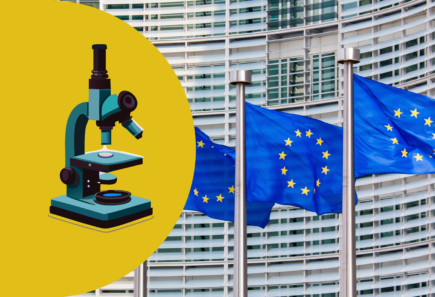
Policymakers planning to shape the future of European research through FP10 – the successor to the EU’s flagship Horizon Europe programme – have a golden opportunity to capitalise on the expertise being developed by a growing network of food innovators.

Finland has become an alternative protein powerhouse over recent years – not that you would know that from talking to people who live there.

As Labour prepares to develop a new food strategy, analysis finds that the UK has invested £75 million in developing sustainable new foods – more than half of the amount recommended by a landmark review of England’s food system.

The latest round of Good Food Institute’s (GFI) research funding programme has demonstrated that European researchers continue to lead the way in alternative protein innovation – with half of the successful researchers based in the region.