Labelling

Blog Cultivated

‘Burger’ and ‘sausage’ are saved – but EU’s misguided decision bans the word ‘meat’ and 31 everyday terms for plant-based food

Alex Holst

‘Burger’ and ‘sausage’ can still be used to describe plant-based meat products – but dozens of other everyday terms are to be banned under unnecessary restrictions that will confuse consumers, hurt the EU economy and jeopardise European resilience.

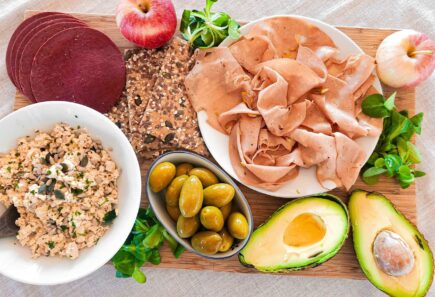
plant-based ham and salamy from Vegfather on a healthy sharing board
Blog Plant-based

Labelling roundup: while French court rules ‘meaty’ names on plant-based products do not confuse consumers, new Italian restrictions threaten home-grown producers

Elena Walden

Although it was rejected at the EU level in 2020, attempts to restrict the language used by producers to describe their plant-based meat products have continued to rumble on in a handful of national contexts. However, recent decisions in France and Belgium are cause for optimism.

Palazzo Montecitorio
Comment Letter Regulation

Il Good Food Institute Europe  presenta le sue osservazioni al disegno di legge che vieta la carne coltivata in Italia

Dopo che non è stato possibile partecipare alle audizioni parlamentari, come Good Food Institute Europe abbiamo trasmesso alle Commissioni della Camera dei Deputati le nostre osservazioni sul disegno di legge governativo che vieta la carne coltivata in Italia e impedisce di usare termini come “salame” o “bistecca” per prodotti a base di proteine vegetali (A.C. 1324).

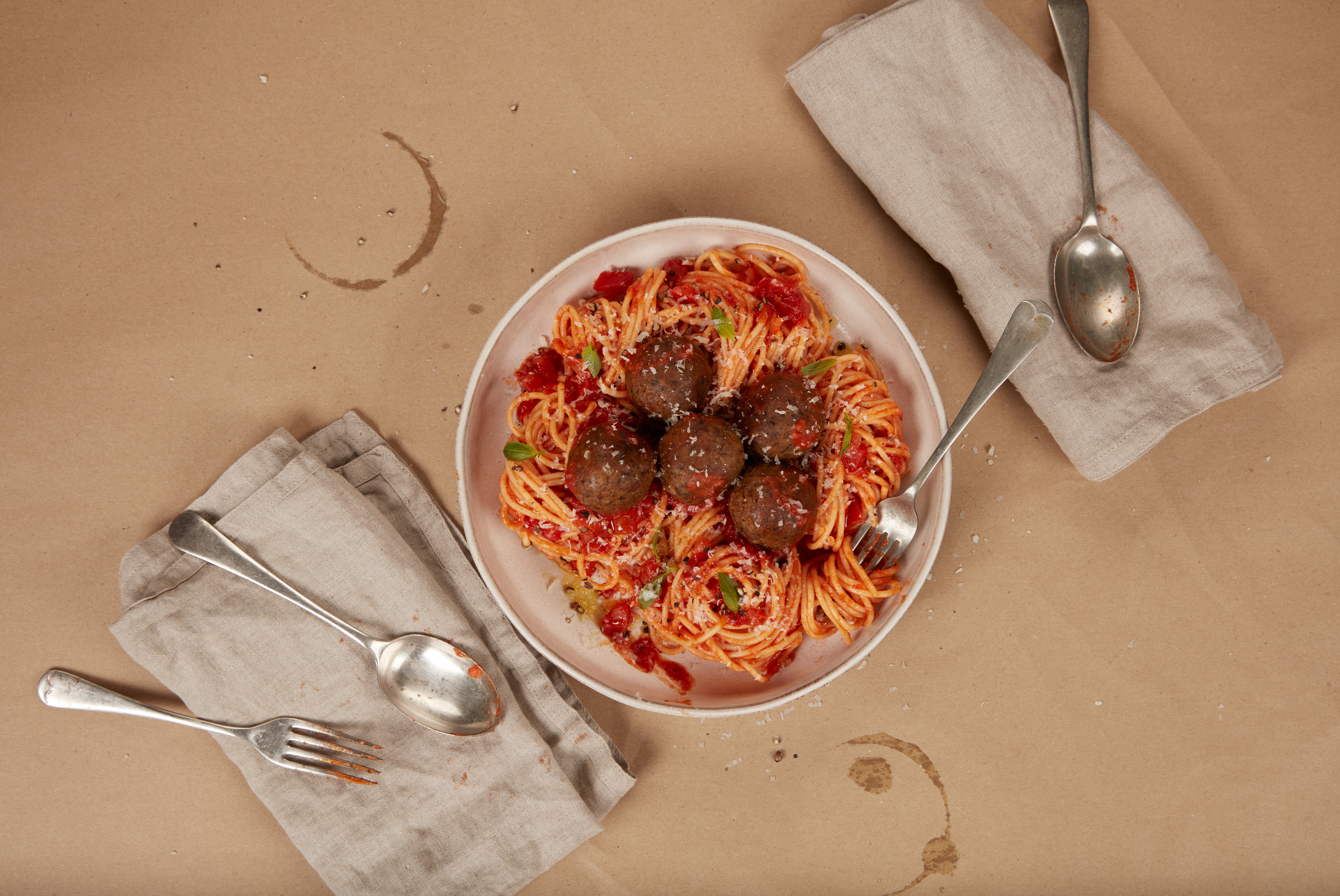
cultivated meatballs and spaghetti
Blog Cultivated

Italian parliamentary hearings on cultivated meat impossible to attend for key experts

Sophie Armour

The newly formed Italian Complementary Protein Alliance, representing a cross-section of stakeholders with interests in Italy’s agri-food landscape, was unable to take part in the hearings as they only became public after the deadline for requesting participation had passed. 

The German Bundestag
Blog Industry

GFI-Report: Deutsche Branche für alternative Proteine ist gut aufgestellt, braucht aber stärkere Unterstützung aus der Politik 

Ivo Rzegotta

Neuer Report liefert Zahlen und Fakten zur kommerziellen und wissenschaftlichen Landschaft im Bereich alternativer Proteine, die das enorme Potenzial Deutschlands in diesem Bereich unterstreichen.