
Plant-based
Meet the 2026 GFI research grantees shaping the future of alternative proteins in Europe
Stella ChildDiscover the latest research projects selected for the GFI Research Grant Program, driving alternative protein innovation in Europe.

Meet the researcher: Using precision fermentation to unlock next-generation foods with Maija Greis
Conrad AstleyA background in food science convinced Dr Maija Greis that precision fermentation was crucial to finding the missing ingredient in developing animal-free foods with the authentic taste and texture of conventional meat and dairy.

The base is strong, now it’s time to grow: how 2025 set the stage for the next phase of Europe’s protein transition
Emily JohnsonIn the world at large and for alternative proteins, 2025 has been a year of turbulence. Beneath the surface, however, the European alternative protein ecosystem has continued to mature.

COP30: Europe can’t afford to delay building a sustainable food system
Carlos Campillos MartínezSpain demonstrates the cost of climate inaction – and the urgent need for Europe to invest in protein diversification.
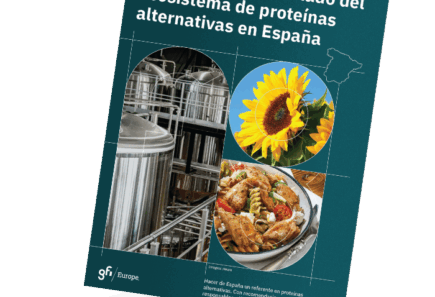
Alternative proteins in Spain: progress, challenges, and opportunities in a growing sector
Carlos Campillos MartínezOur recent report takes an in-depth look at the achievements to date and the challenges ahead for Spain to consolidate its position as the leading hub in southern Europe in the alternative protein sector.
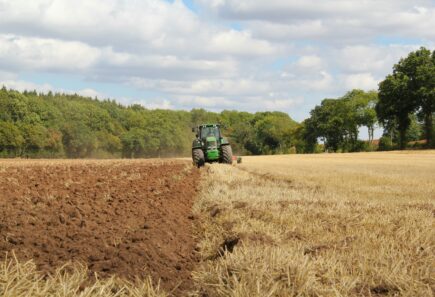
As food prices rocket, the UK government can kick-start supply chains to help farmers benefit from plant-based meat
Linus PardoeAlthough our supermarkets bulge with more choice than ever, this masks an uncomfortable reality – our food system is becoming increasingly volatile.
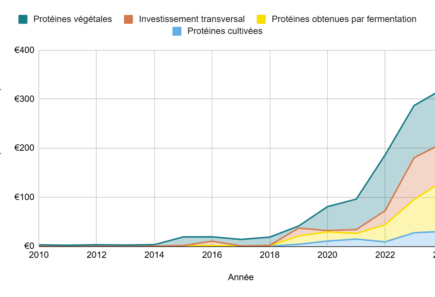
Report: European alternative protein research has tripled since 2020
David Hunt Stella ChildNew analysis has revealed the rapid growth of Europe’s alternative protein research, with the number of studies published and public funding levels almost tripling over the last five years.

First master’s programme marks major step forward for the alternative protein field
Ismaël BawahThe launch of the world’s first master’s programme dedicated to alternative proteins marks another significant step in the development of protein diversification as an academic field.

Where does plant-based meat fit in the ultra-processed foods narrative?
Amy WilliamsWhy more nuance is needed to help drive meaningful change towards a healthier, more sustainable food system.