
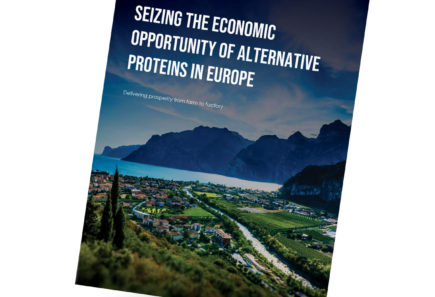
Research finds alternative proteins could boost EU economy by €111 billion by 2040
Elena WaldenAlternative proteins could add €111 billion a year to the EU’s economy by 2040 if treated as a strategic priority, new research shows.
Alternative proteins could add €111 billion a year to the EU’s economy by 2040 if treated as a strategic priority, new research shows.

Axel Lundberg writes about undertaking an epic cycle ride across Europe, paying tribute to a close friend while raising money for the Good Food Institute.
Discover the latest research projects selected for the GFI Research Grant Program, driving alternative protein innovation in Europe.

In the world at large and for alternative proteins, 2025 has been a year of turbulence. Beneath the surface, however, the European alternative protein ecosystem has continued to mature.

The EU’s new Bioeconomy Strategy has outlined plans that will support fermentation innovators in scaling up production and bringing food products to market.
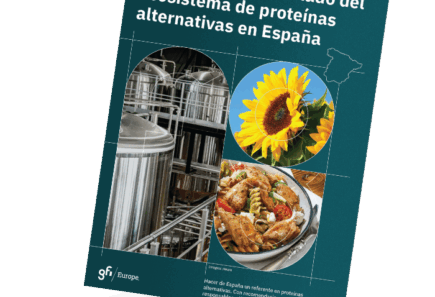
Our recent report takes an in-depth look at the achievements to date and the challenges ahead for Spain to consolidate its position as the leading hub in southern Europe in the alternative protein sector.
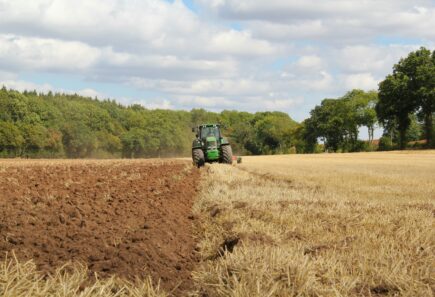
Although our supermarkets bulge with more choice than ever, this masks an uncomfortable reality – our food system is becoming increasingly volatile.
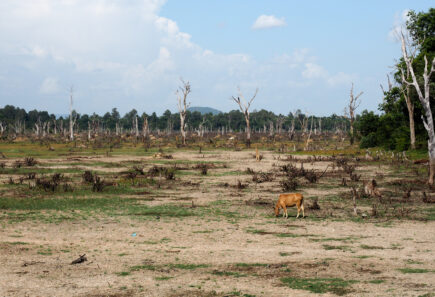
The true cost of what ends up on our plates is often paid by people and ecosystems elsewhere. On the European Day of Foundations and Donors we look at the importance of building a food system that is more just, secure and sustainable.
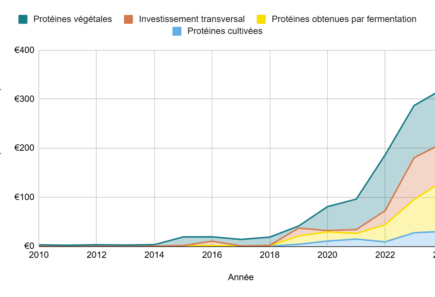
New analysis has revealed the rapid growth of Europe’s alternative protein research, with the number of studies published and public funding levels almost tripling over the last five years.

Pioneering new research commissioned by GFI Europe and conducted by Opinium in five European markets shows that ‘meaty’ names on packaging – and a flexible approach to labelling that reflects national consumer needs – will be critical for ensuring consumer safety, allowing cultivated meat to deliver on its potential.