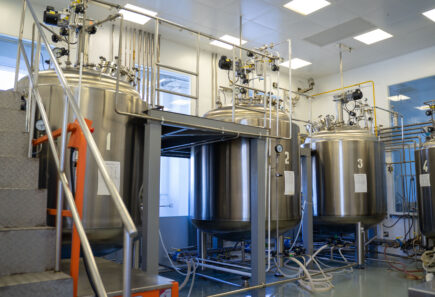
Germany’s High-Tech Agenda: innovation hub for alternative proteins could support economic growth
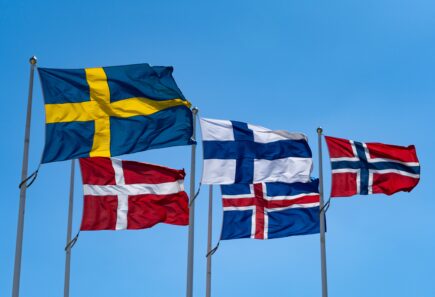
An international network linking Nordic researchers seeks to provide collaborative opportunities often missing in alternative protein science.
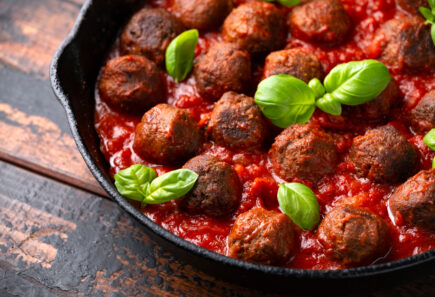
The cost of making plant-based spaghetti bolognese and meatballs is now on average 33% cheaper at the UK's biggest supermarket than making the same dishes with beef, lamb and pork mince.
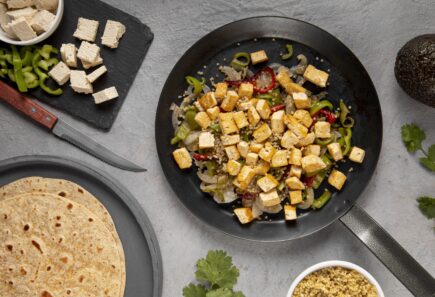
The first study of its kind has found that swapping processed meat with popular plant-based options leads to meaningful dietary improvements.
‘Burger’ and ‘sausage’ can still be used to describe plant-based meat products – but dozens of other everyday terms are to be banned under unnecessary restrictions that will confuse consumers, hurt the EU economy and jeopardise European resilience.
Discover the latest research projects selected for the GFI Research Grant Program, driving alternative protein innovation in Europe.
A background in food science convinced Dr Maija Greis that precision fermentation was crucial to finding the missing ingredient in developing animal-free foods with the authentic taste and texture of conventional meat and dairy.
In the world at large and for alternative proteins, 2025 has been a year of turbulence. Beneath the surface, however, the European alternative protein ecosystem has continued to mature.
Spain demonstrates the cost of climate inaction – and the urgent need for Europe to invest in protein diversification.