
Research finds alternative proteins could boost EU economy by €111 billion by 2040
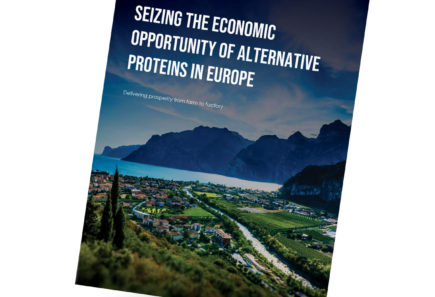
Elena WaldenAlternative proteins could add €111 billion a year to the EU’s economy by 2040 if treated as a strategic priority, new research shows.
Alternative proteins could add €111 billion a year to the EU’s economy by 2040 if treated as a strategic priority, new research shows.
New research has estimated that, given the right support, innovative ways of producing everyday foods using fermentation could add £9.8 billion (€11.2 billion) to the UK economy.
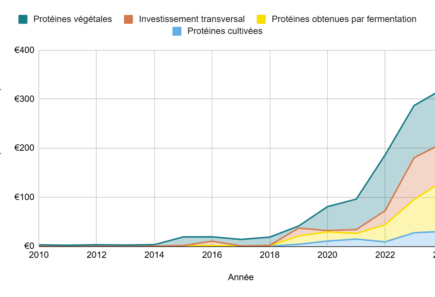
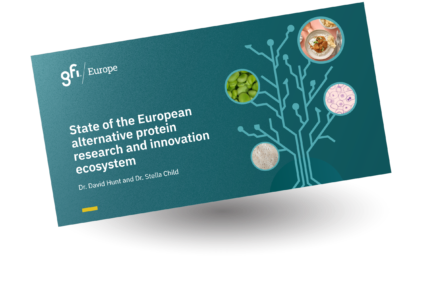
New analysis has revealed the rapid growth of Europe’s alternative protein research, with the number of studies published and public funding levels almost tripling over the last five years.
Embracing the complexity of natural raw ingredients can help develop more nutritious, tastier and affordable plant-based products while challenging consumer concerns around ultra-processed foods.
En ny analyse viser, at danske investeringer i alternative proteiner voksede med over 900 procent alene i 2024, og at Danmark samtidig er førende i Europa, når det gælder forskning på området. Men skal førerpositionen fastholdes, kræver det, at finansieringen målrettes bedre, og at samarbejdet mellem den akademiske verden, industrien og regeringen øges.
The EU’s Strategy for European Life Sciences has outlined funding opportunities worth €350 million and plans to scale up fermentation technologies that could unlock the potential of Europe’s food innovators.
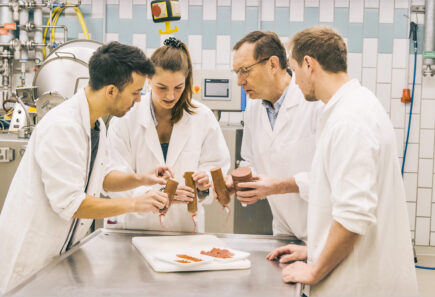
We talk to the researchers exploring how to accelerate cultivated meat's journey to supermarkets by using it as an ingredient in otherwise plant- and fermentation-based products.
Policymakers planning to shape the future of European research through FP10 – the successor to the EU’s flagship Horizon Europe programme – have a golden opportunity to capitalise on the expertise being developed by a growing network of food innovators.