

On the path to net zero: 9 ways the UK can build a ‘world-beating’ sustainable protein ecosystem
Linus PardoeGovernment should invest £78 million annually in research between 2025-2030 as part of its science superpower mission.
Government should invest £78 million annually in research between 2025-2030 as part of its science superpower mission.
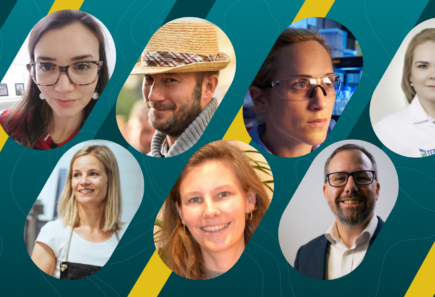
GFI's 2023 research grant programme is open for proposals. Meet some of the researchers at the cutting edge of this burgeoning sector, learn how their work was helped by our grant programme, and how to apply to this year's scheme.


A long-standing passion for the ocean inspired Richard Splivallo’s project – using his fermentation expertise to create better alternative seafood products such as shrimp and lobster.

Professor Che Connon’s quest to bring cultivated meat closer to dining tables has led to him bridging the gap between academia and entrepreneurship.
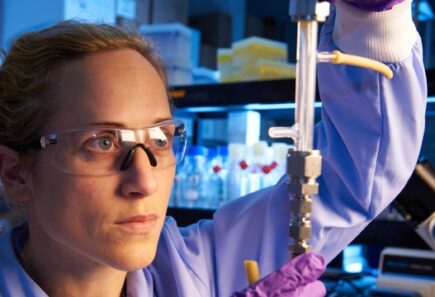
Head of the UK's new £12 million Cellular Agriculture Manufacturing Hub (CARMA), we talk to Marianne Ellis about her goals for the project, how she became involved in cultivated meat, and advice for new researchers looking to enter the field.

Neuer Report liefert Zahlen und Fakten zur kommerziellen und wissenschaftlichen Landschaft im Bereich alternativer Proteine, die das enorme Potenzial Deutschlands in diesem Bereich unterstreichen.
Exploring recent developments surrounding plant-based, cultivated and fermentation-made proteins exploring market development, the commercial landscape, investments and investors, the scientific landscape, surveys on the acceptance of alternative products, and 15 policy recommendations for Germany.

The project represents the largest single investment the UK government has made to date in sustainable proteins, and will help British scientists and companies make cultivated meat at scale.

The plant-based industry has only begun to scratch the surface of what ingredients can be used to create more sustainable food, according to researcher Karolina Östbring.