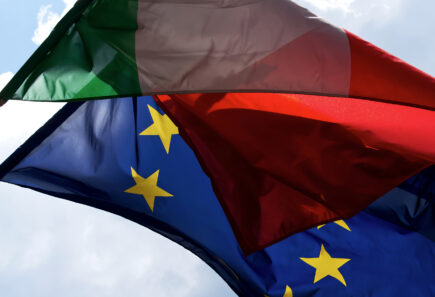
Is Italy’s cultivated meat ban unenforceable? European Commission ends TRIS review as law did not comply with procedure’s rules
European Commission ends TRIS review as law did not comply with procedure’s rules
European Commission ends TRIS review as law did not comply with procedure’s rules

This week has seen the worrying and ironic spectacle of some European agriculture ministers putting a note before an EU Council meeting that included misinformation about cultivated meat.
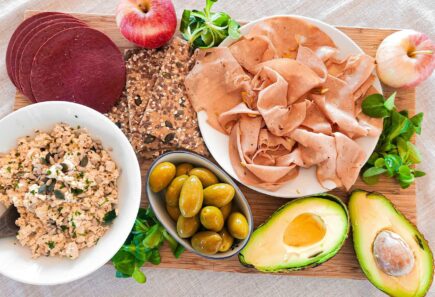
La corte di cassazione francese ha stabilito che i prodotti a base di carne vegetale non inducono in errore i consumatori. Nel frattempo, il governo italiano ha introdotto restrizioni sull’etichettatura dei prodotti a base vegetale, vietando l’uso di nomi legati alla carne.
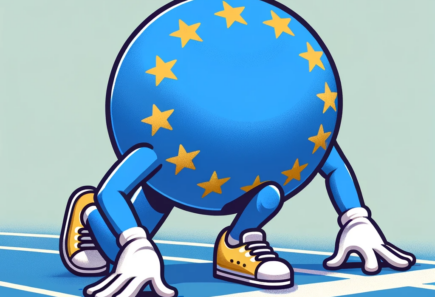
It's time for policymakers to rethink their approach, and give the same level of priority to alternative proteins as they do to other promising biotech and cleantech fields.
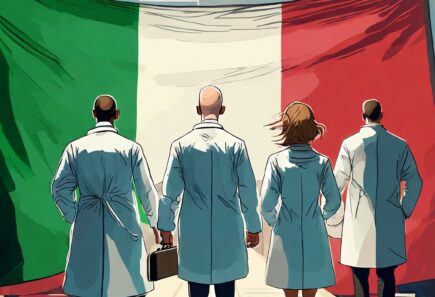
Dopo che l'Italia è diventata l'unico paese al mondo ad aver vietato la carne coltivata, parliamo con i ricercatori del futuro che li aspetta.
Following the controversial cultivated meat ban, some fear an exodus of talented young scientists – particularly unwelcome given nearly 10% of Italians already live abroad – while others are concerned the move may cut off future funding opportunities and damage the country’s scientific standing on the global stage.
Your guide to business, science and policy of plant-based and cultivated meat in the EU.

In certain European countries, plant-based milk faces significantly higher value added tax (VAT) than conventional cow’s milk, but new proposals offer a chance to level the playing field.

The UK's Department for Science, Innovation and Technology (DSIT) has today highlighted the critical role that alternative proteins like cultivated meat can play in achieving key national objectives for economic growth and food production as part of the National Vision for Engineering Biology.
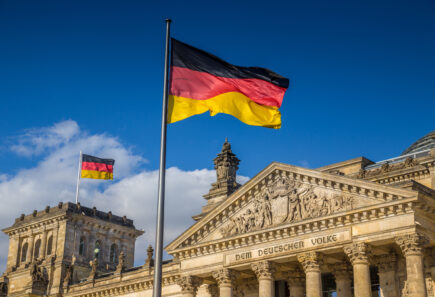
The Budget Committee of the German Bundestag have announced €38 million in funding in 2024 for the sustainable protein transition, setting themselves on the path to international leadership in this growing field.